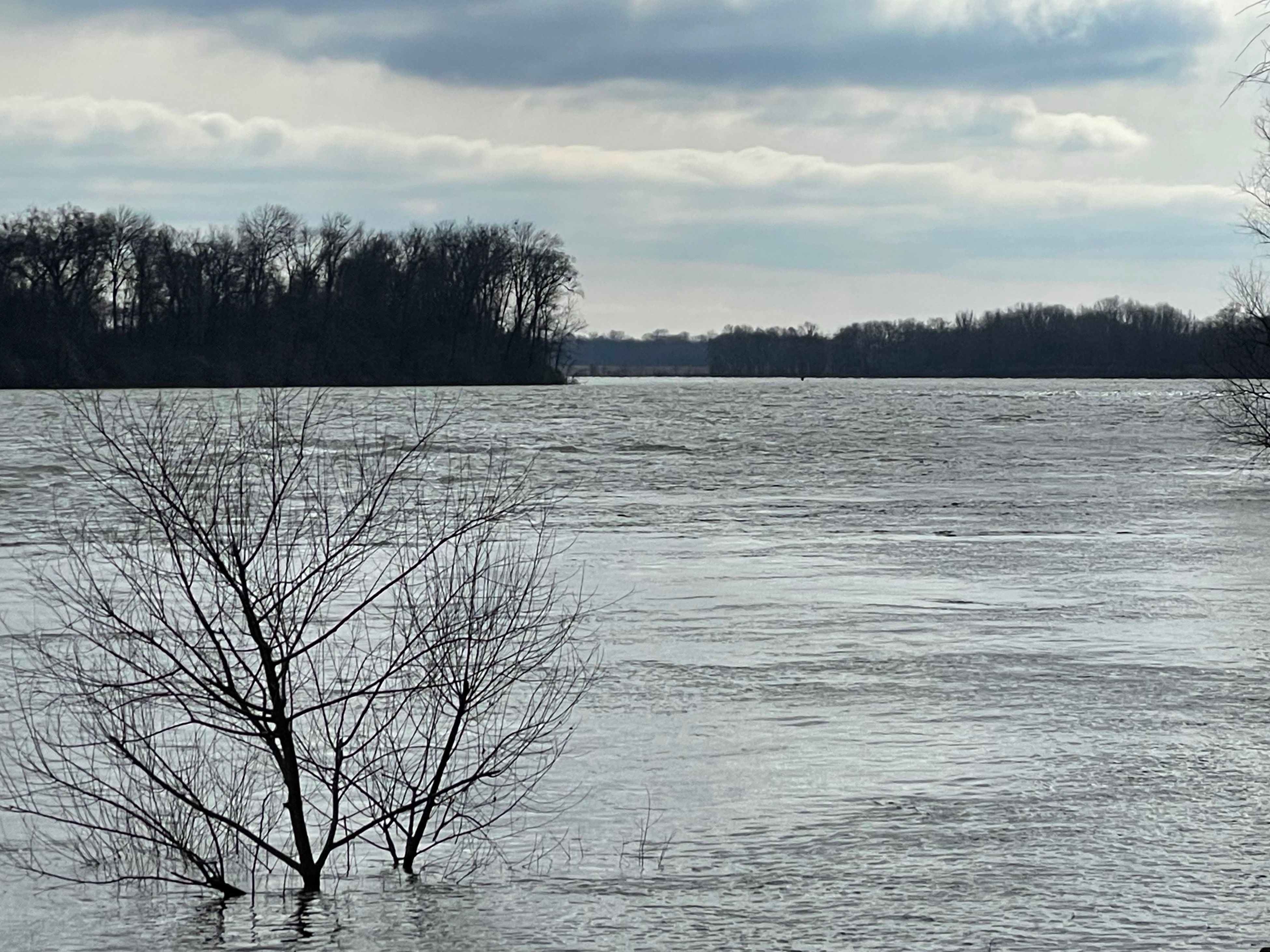
1/20/2022
My trek to Nashville took a bit longer today than anticipated due to the cold and a detour taking me through a whole lot of history. But, it was definitely worth it!
I took my time this morning, drinking my coffee slowly and checking out of the Big Cypress Lodge around 9:30 am. The Big Cypress Lodge started off as a tongue-in-cheek, joke hotel choice made by me based on internet research and reviews alone, but it ended up being my favorite place to stay so far on this trip. It was private, spacious, incredibly clean, and the bed was quite possibly the most comfortable bed I have ever slept on in my life. The place was lightyears ahead of my current accommodations (but more on that later). Once I dove into it, Memphis proved to be quite the City with a whole lot of personality, and I had only just scratched its surface.
It was about 20 degrees outside this morning, spitting diamond dust that refused to stick to the ground. The temperature was otherwise not anticipated to reach 30 degrees. With windchill, the temperature was in the low teens. Getting on the road, Siri gave me a couple of possible routes to get to Nashville: one being a direct route getting to Nashville around 1 pm, and the other being a winding route through the southern part of the State, getting me here around 2:30. I once saw a joke meme on facebook making fun of Siri for even suggesting routes beyond the fastest route to a place, but I guess Siri’s offerings are made for people like me, who are happy to choose the country backroads when time is not of the essence. I opted for the longer, winding southern route.
The first few hours of the route took me through a different Tennessee. On the good side, it was rural, full of small towns with nice, clean looking homes and businesses, and with plenty of forests, rivers, and green fields. Yet I also saw plenty of things that I had never really seen before, and, though knowing these things exist, it was still kind of shocking seeing them for the first time: on the route there were plenty of old plantations, cotton fields, and persons flying not the American flag above their homes, but the Stars and Bars, loud and proud.
Though a bit unsettling seeing the old Confederate flag flying freely throughout the countryside, the history of the route that I was on carried me forward. Because I soon learned that I wasn’t on just any country highway. Though a highway today, the route that I was on was actually quite an important (albeit sad) part of US history. Though a bit hard to read in this photo, I was driving along the original route of the Trail of Tears.
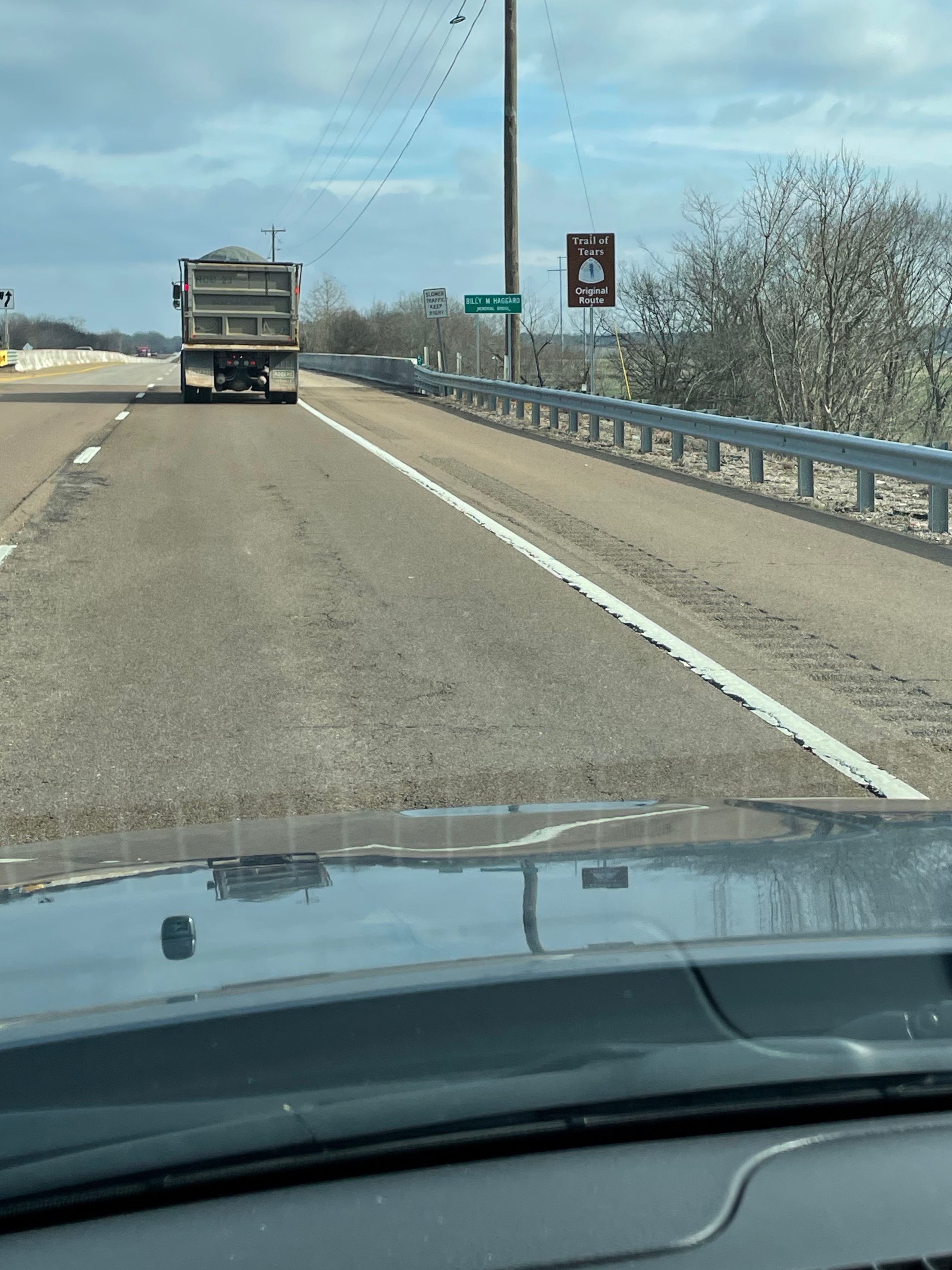
As a refresher, the Trail of Tears was part of President Andrew Jackson’s Indian removal policy of the 1830s. During that decade, the Cherokee, Chickasaw, Choctaw, Muscogee, and Seminole Tribes of the southeastern United States were forcibly displaced from their lands and made to march hundreds of miles out to areas west of the Mississippi River that had been designated as Indian Territory (today, much of that territory makes up Oklahoma). The march and camps were often designated ‘death marches’ and ‘death camps,’ due to the number of Native Americans that died in transit. Those Indians making the trek in 1838 had it most difficult of all, being temporarily forced to remain in camps along the parts of Tennessee that I was traveling through, and enduring a difficult winter of heavy rains, snow, and freezing temperatures. What they experienced would not have been so different from the temperatures that I experienced today while traveling through.
While still digesting the fact that I was traveling along the Trail of Tears, a sign showed up on the road pointing towards another piece of history that I decided I had to explore while here. It turns out that the southern route I had chosen had taken me straight to Shiloh.
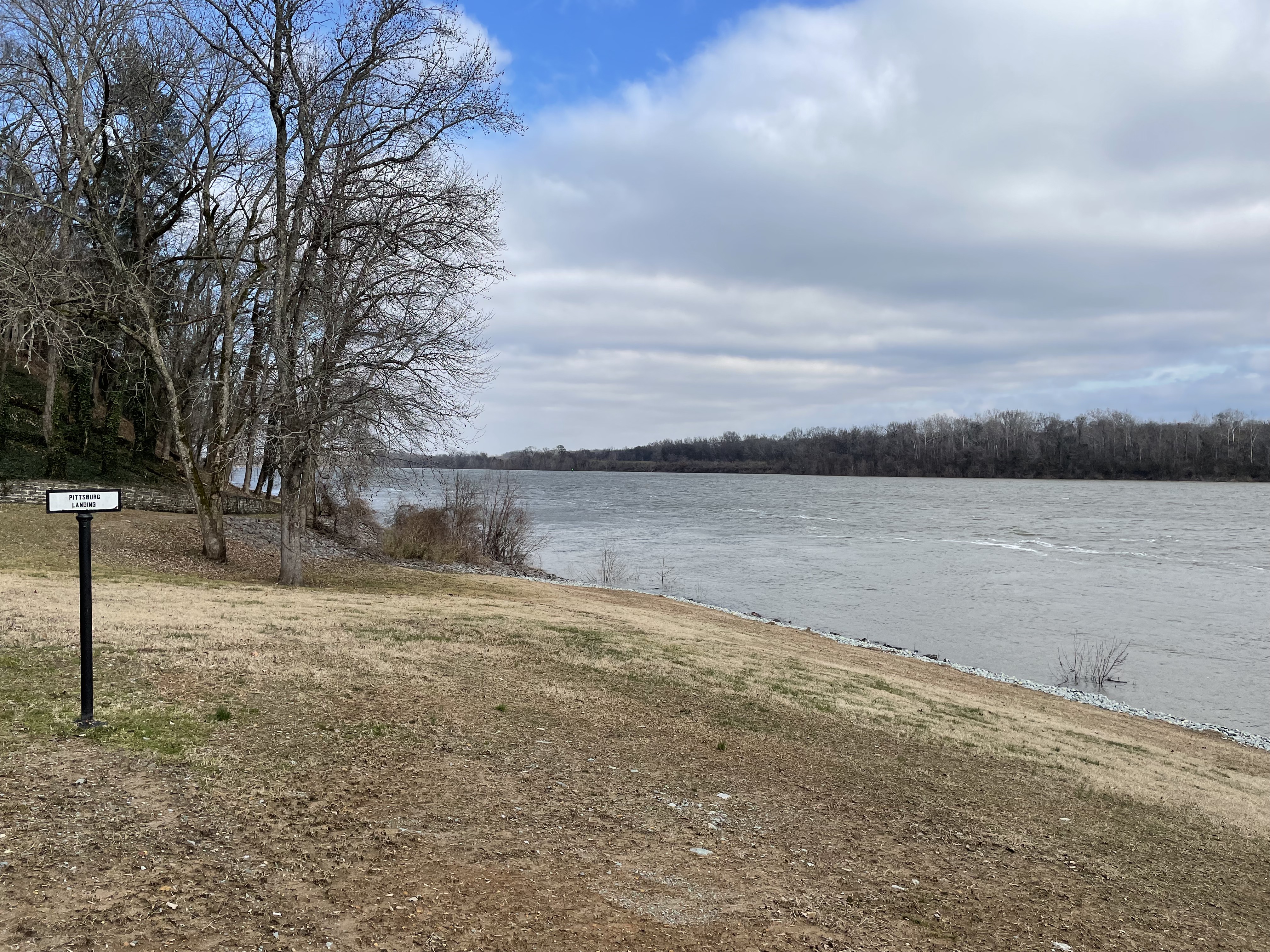
In April 1862, several months before Union General George McClellan repelled Confederate General Robert E. Lee’s forces at Antietam in what would end up being the deadliest single-day in American history, a different Civil War battle was taking place in Tennessee. Union General Ulysses S. Grant was in charge of the Western Theater of the War, and he had been seeing success in capturing various Confederate forts within Kentucky and middle Tennessee. Grant decided to continue by steamboat in his effort to capture and blockade the entire State of Tennessee. Loading his troops, he pushed along the Tennessee River, disembarking at Pittsburg Landing in March 1862. Grant was ordered to wait at Pittsburg Landing for General Buell’s Army of the Ohio to catch up (Buell’s Army had been marching from Nashville towards Grant’s position).
Working on intelligence, the Confederate’s western leadership consisting of Generals Albert Johnston, P.G.T. Beauregard, Sterling Price, and Earl Dorn decided to seize the opportunity to ambush Grant’s army. Forty-four thousand troops were gathered by the Confederates for their assault on Grant. Many of the ‘troops’ consisted of local boys in the area, conscripted from their homes and farms and not even yet having actual uniforms or official Confederate armaments. Many had no combat experience whatsoever and broke down, crying and terrified of the carnage they had not anticipated. But, such is War.
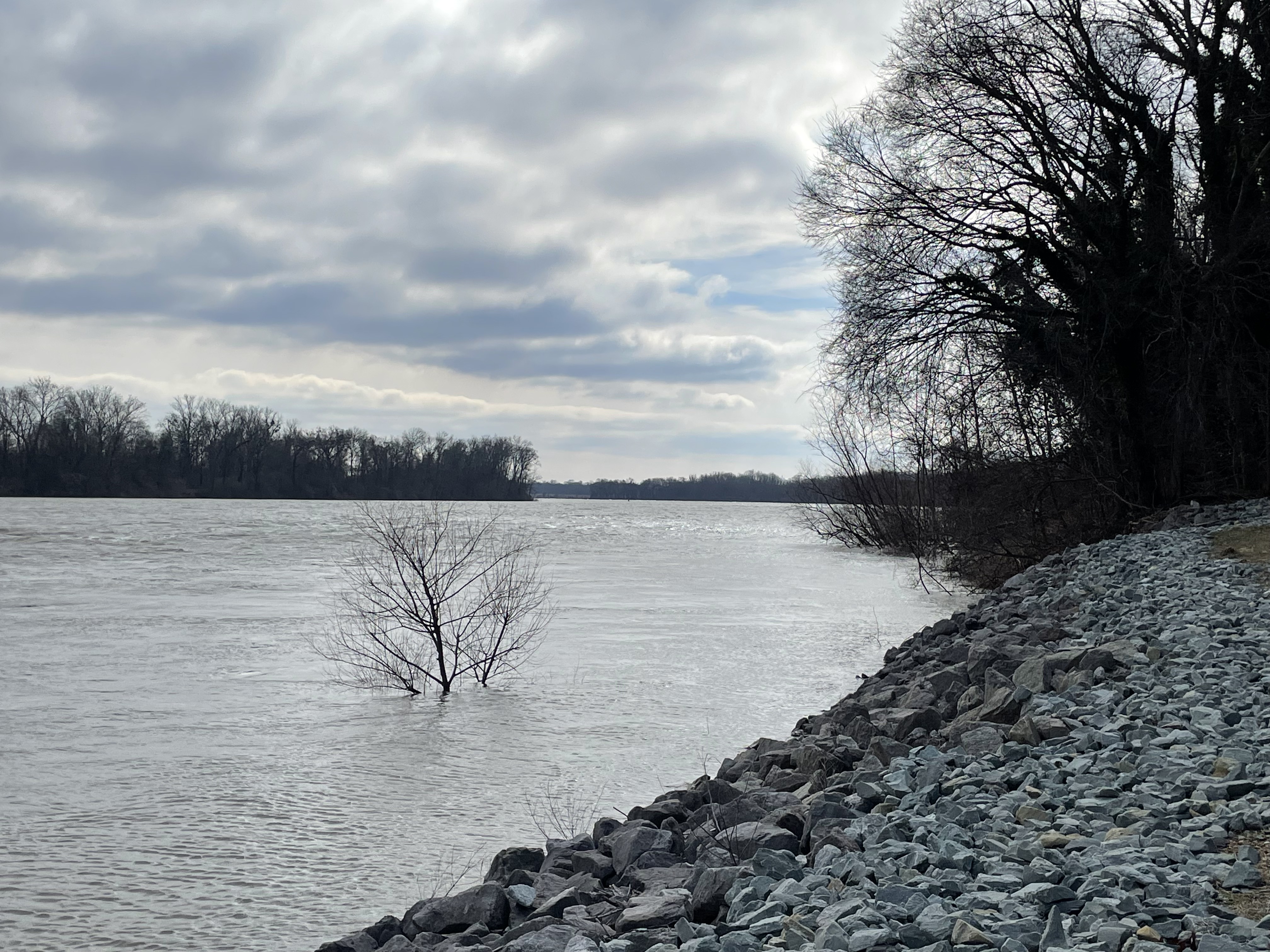
The armies met at dawn on April 6 and the battle ensued. Grant’s forty thousand trained troops fought valiantly. General Johnston was almost immediately shot and bled to death of his wounds, thus placing Beauregard in charge. Both sides otherwise dug in, with the Union taking position a bit inland from Pittsburg Landing in a forested thicket near an open field. The cover allowed them to quickly fire on Confederates and as such was dubbed the ‘hornet’s nest’ by the Confederates. To break up the hornet’s nest, the Confederates assembled more than 50 cannons in a line and called it “Ruggle’s Battery,” thus creating the largest concentration of artillery ever assembled in North America up to that point. Ruggle’s Battery blasted the hornet’s nest at close range, and shortly thereafter it fell with the Union next pushing to a nearby cotton field and peach orchard. It was a long line of cannons. See for yourself in the photo below (several of the cannons in the line are the same ones that were used in the battle that day).
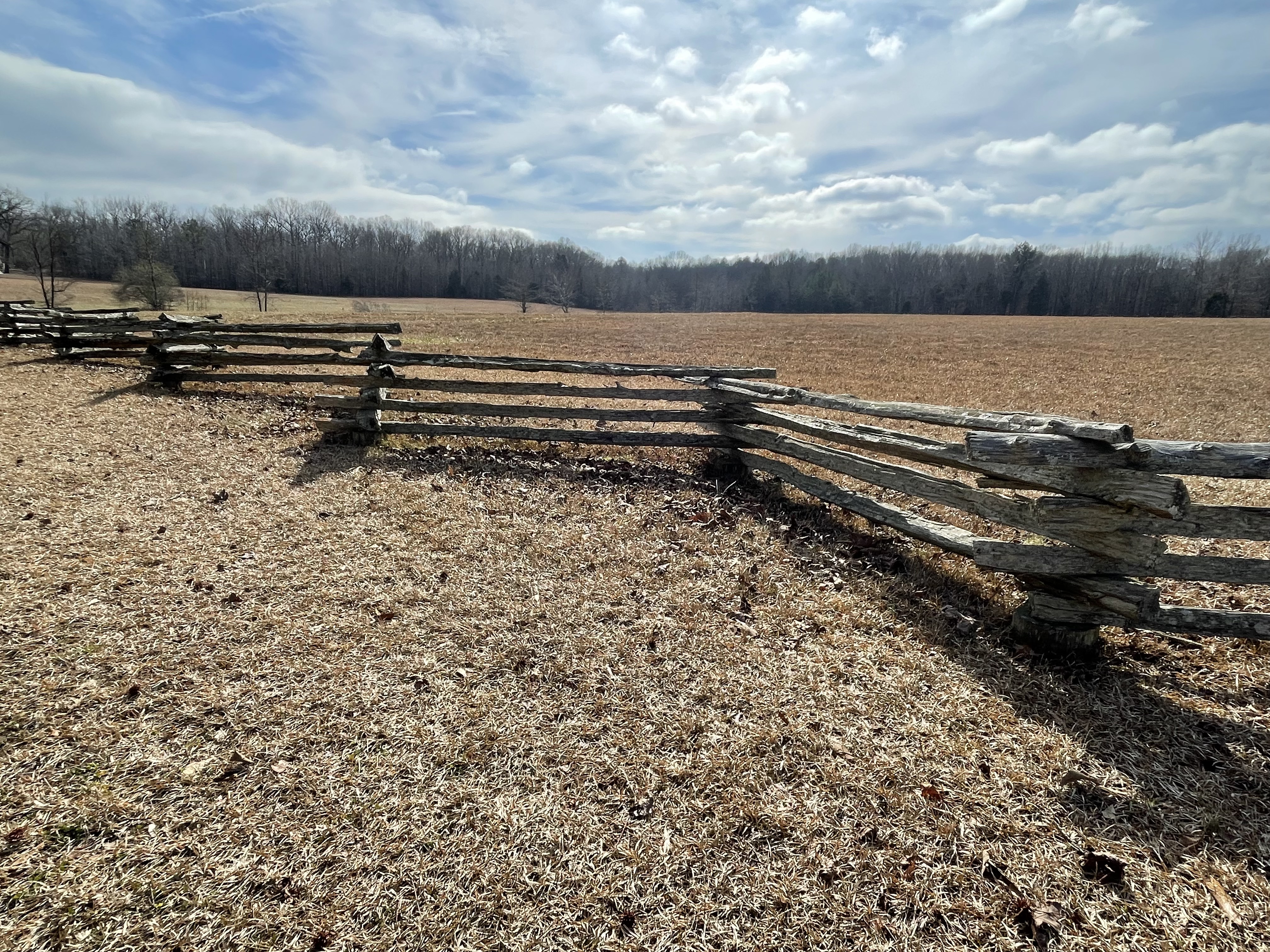

I won’t bore you with every thrust and parry of the battle, but the fighting went back and forth in the fields and peach orchard near the Shiloh Meeting House. Today a Church sits at the site. There are also several mass graves. The battle continued for approximately two days, and by the end of it 23,746 soldiers had lost their lives. The Battle ended with a Union victory – though Confederates held a superior position and appeared to be winning on the first day of the Battle, by sheer luck and good fortune Buell’s forces finally arrived that night, providing much needed reinforcements to Grant’s ranks and forcing a Confederate retreat. The Battle of Shiloh would act as a canary in the coal mine for the South, foreshadowing things to come on the western front. On July 4, 1863, one day after Gettysburg, General Grant would eventually capture Vicksburg, bringing a victorious end to his western campaign and establishing Union control of the entire western front along the Mississippi River. President Lincoln would then elevate Grant and refocus Grant’s efforts towards stopping General Lee once-and-for-all. General Sherman would replace Grant on the western front.

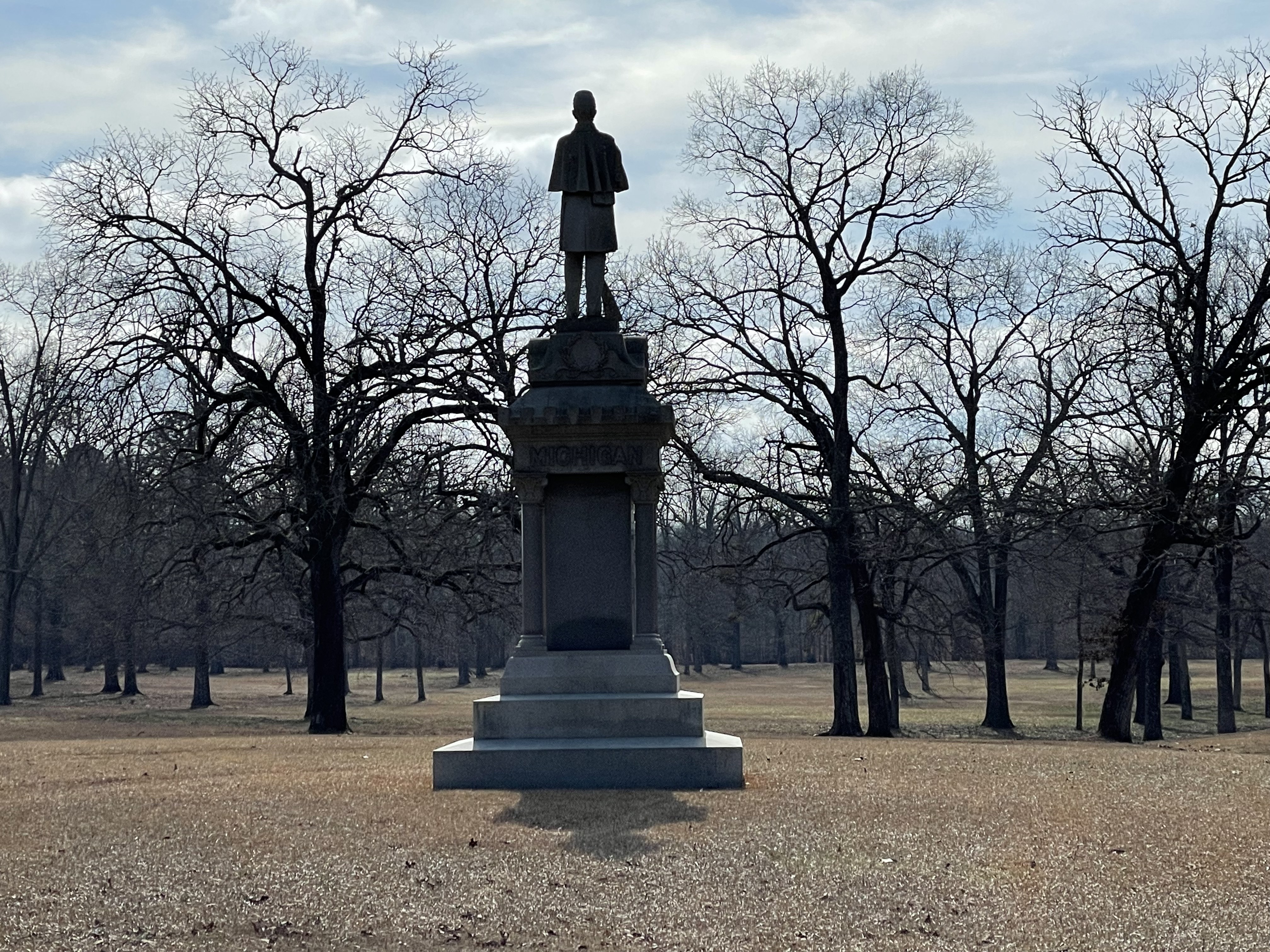
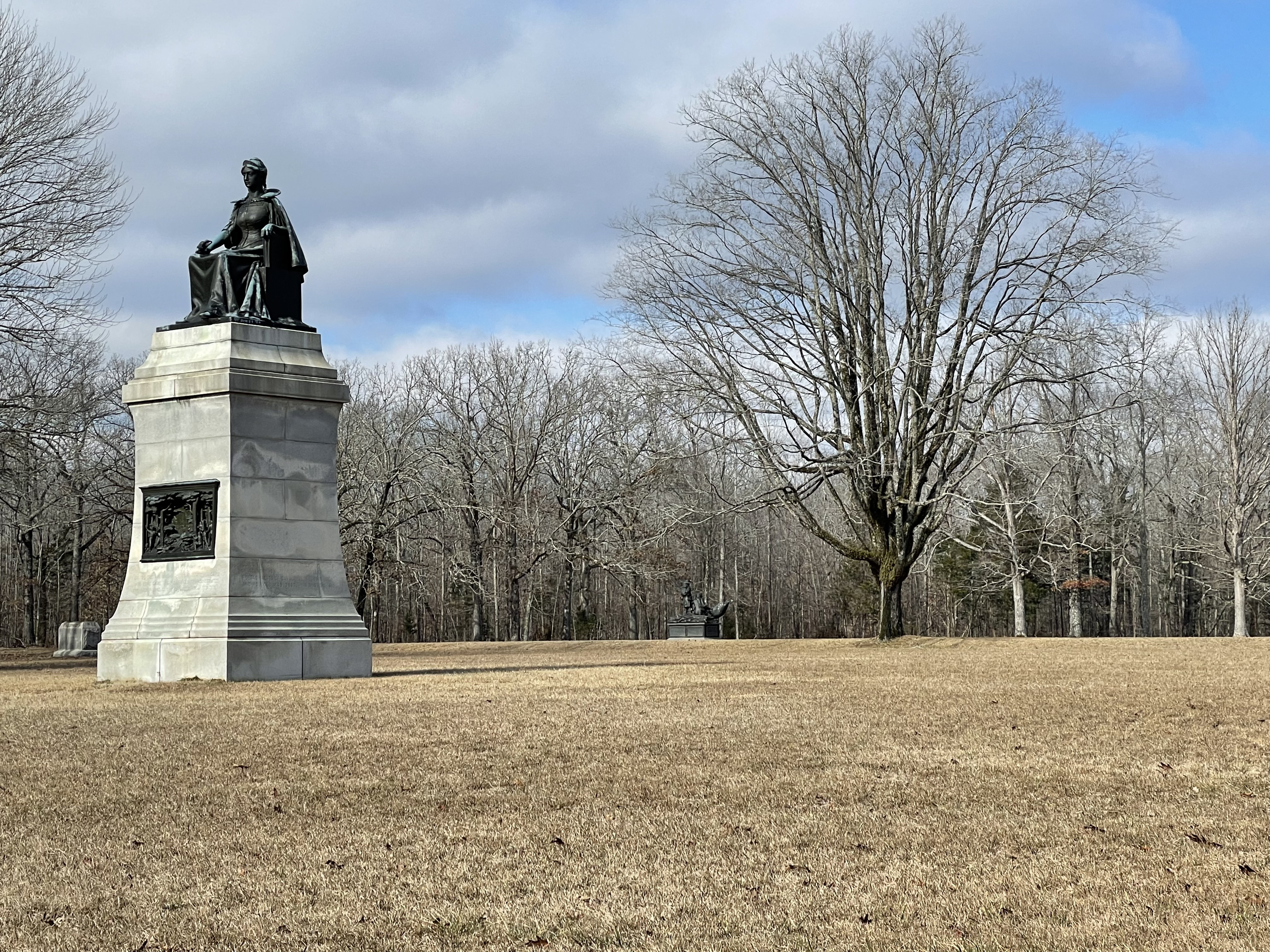
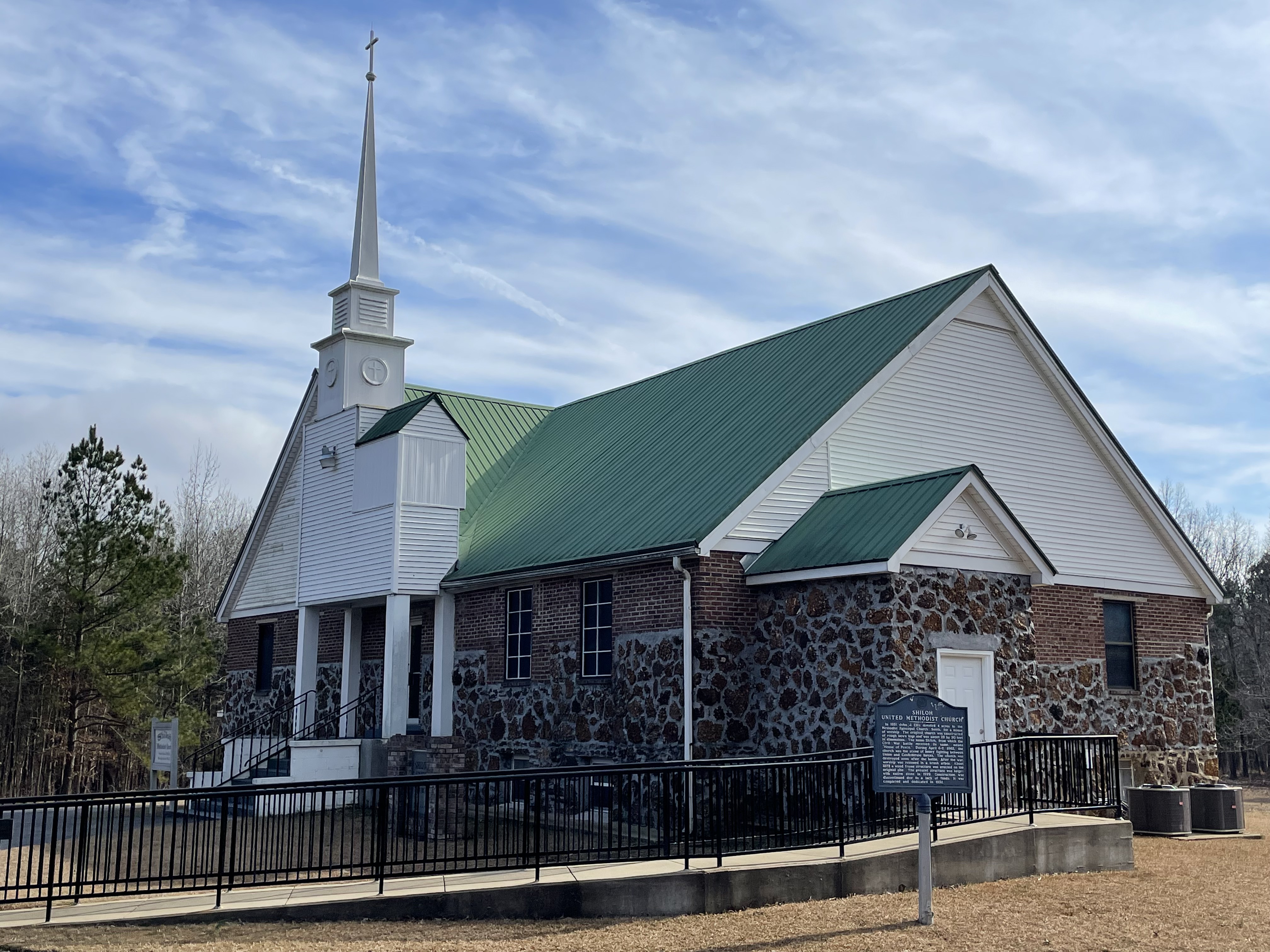
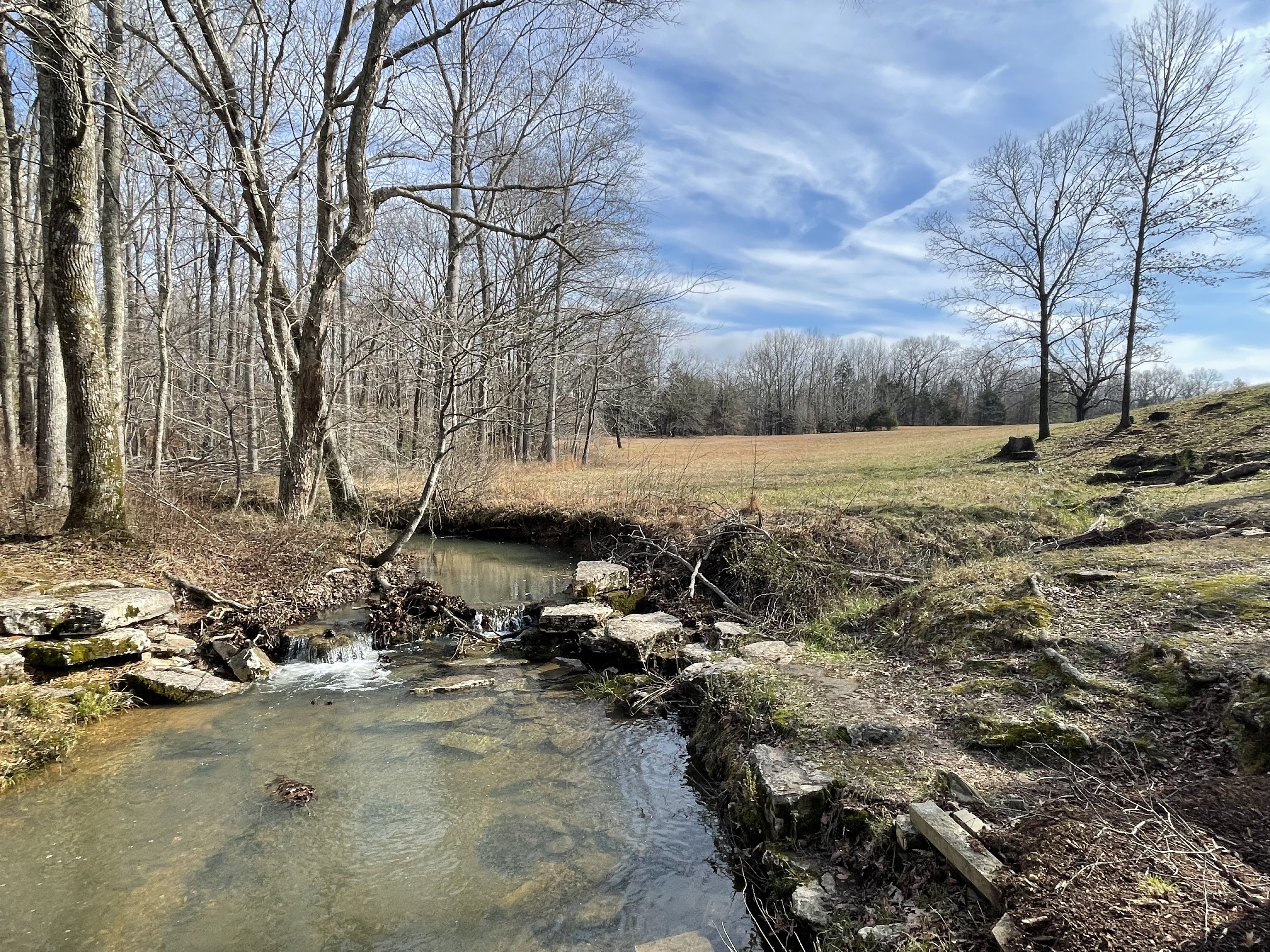
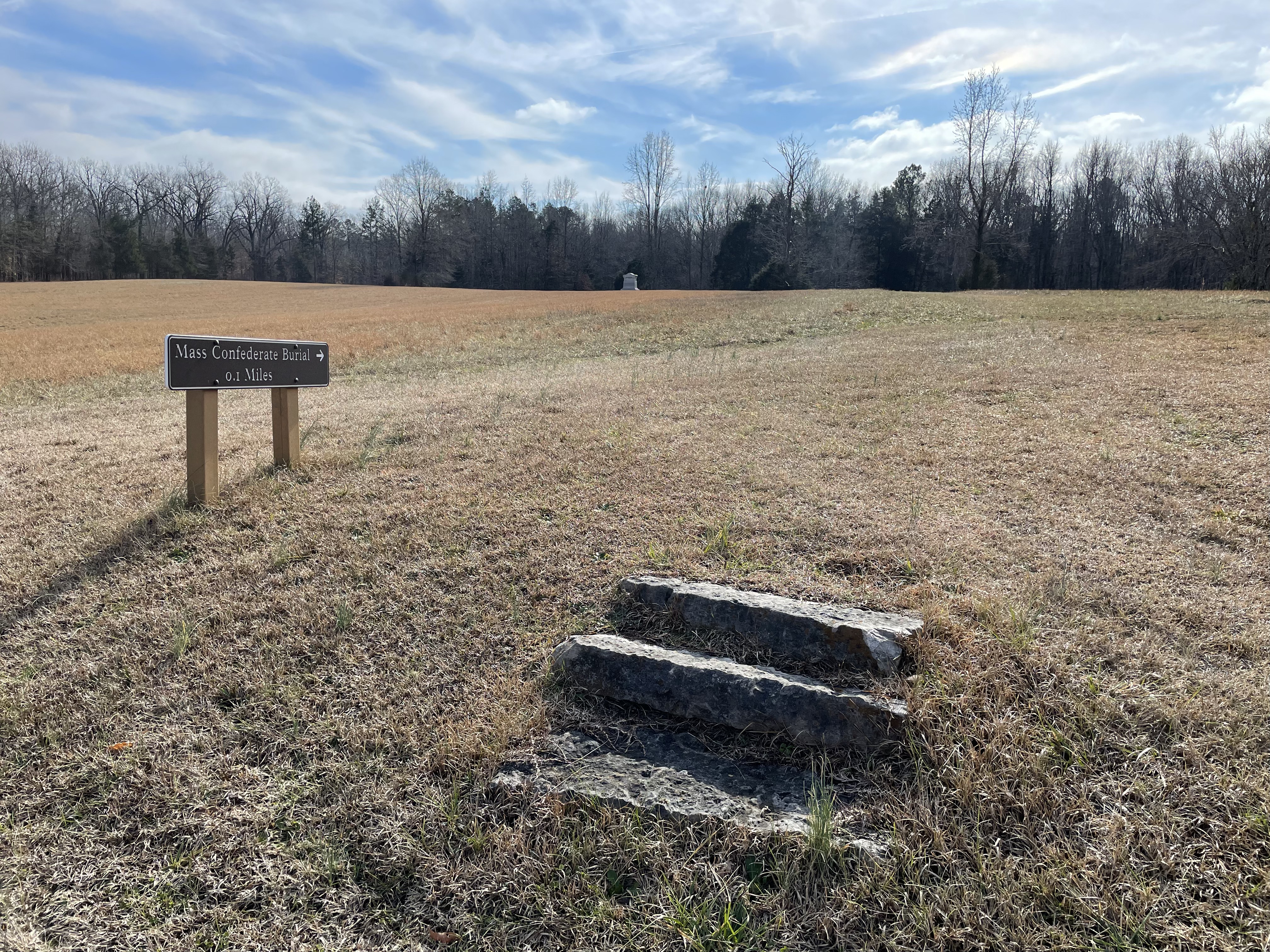
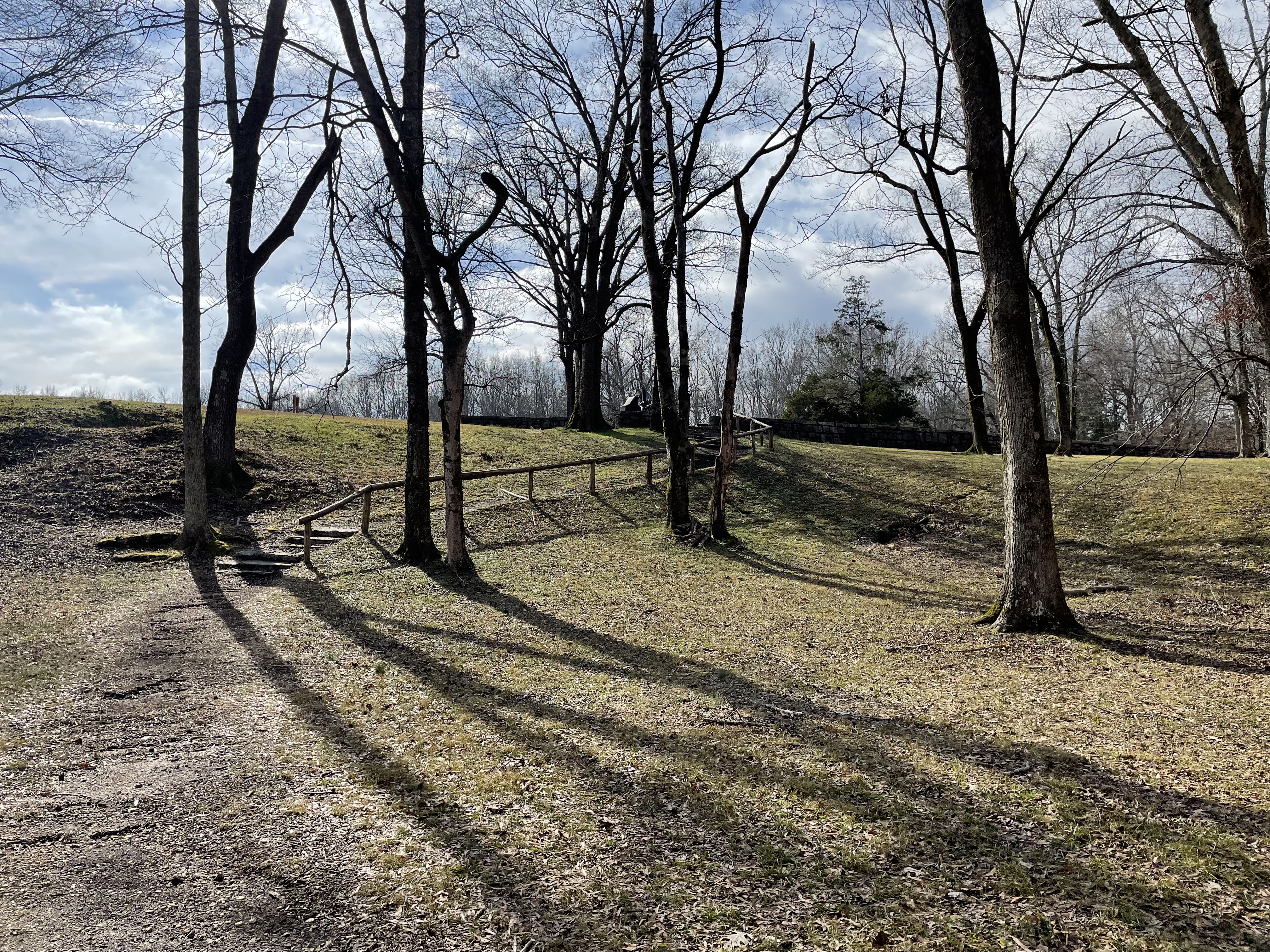
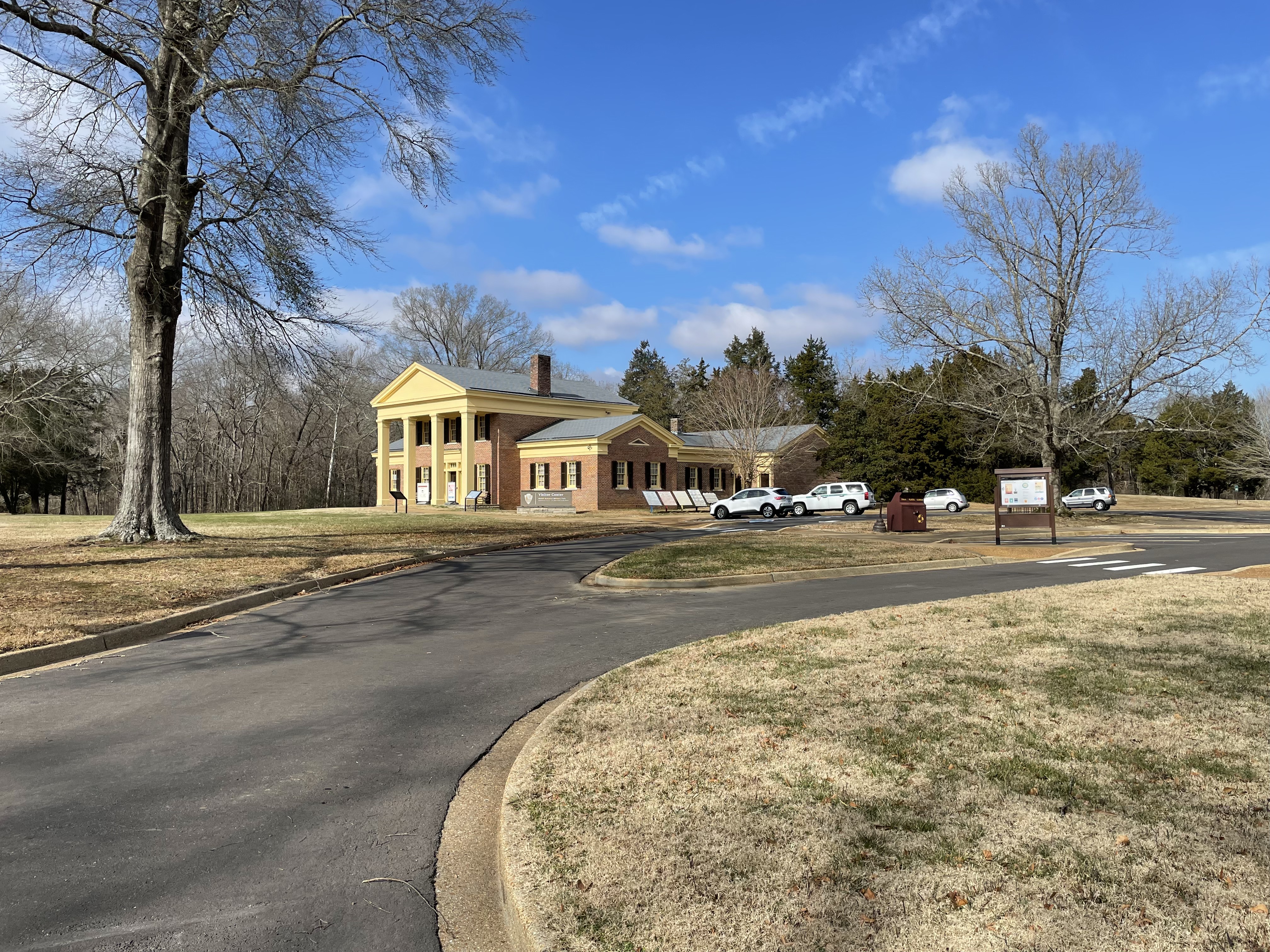
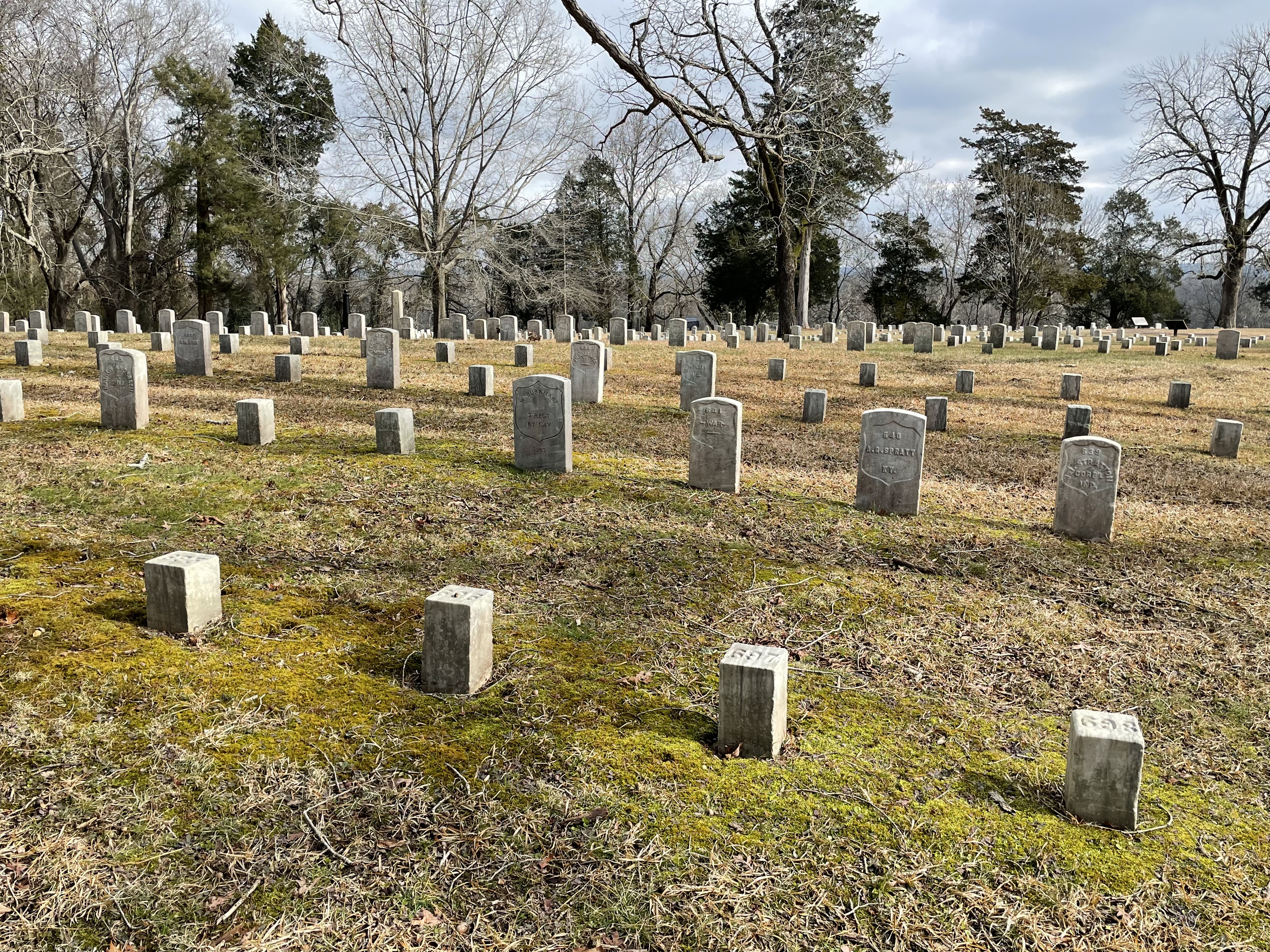
What a place to visit on this cold, January day! And because it was a cold, January day, I of course had the place to myself. I think I even caught the National Park staff off guard.
Because I spent so much time at Shiloh, I didn’t make it to Nashville until around 4:15 pm. The city and its suburbs are absolutely huge! I feel like I’m in the Bay Area. Literally. The City is also much more hipstery and modern in its design and offerings than I thought it would be, another reason I feel like I’m in the Bay. I’m not sure how I feel about that just yet… Starving, seeing as I hadn’t eaten all day, I made a beeline to Five Points Pizza, a place recommended by a friend. It was delicious, and I think the pizza is going to feed me for a few meals while I’m here. Thanks for the recommendation, Ben!
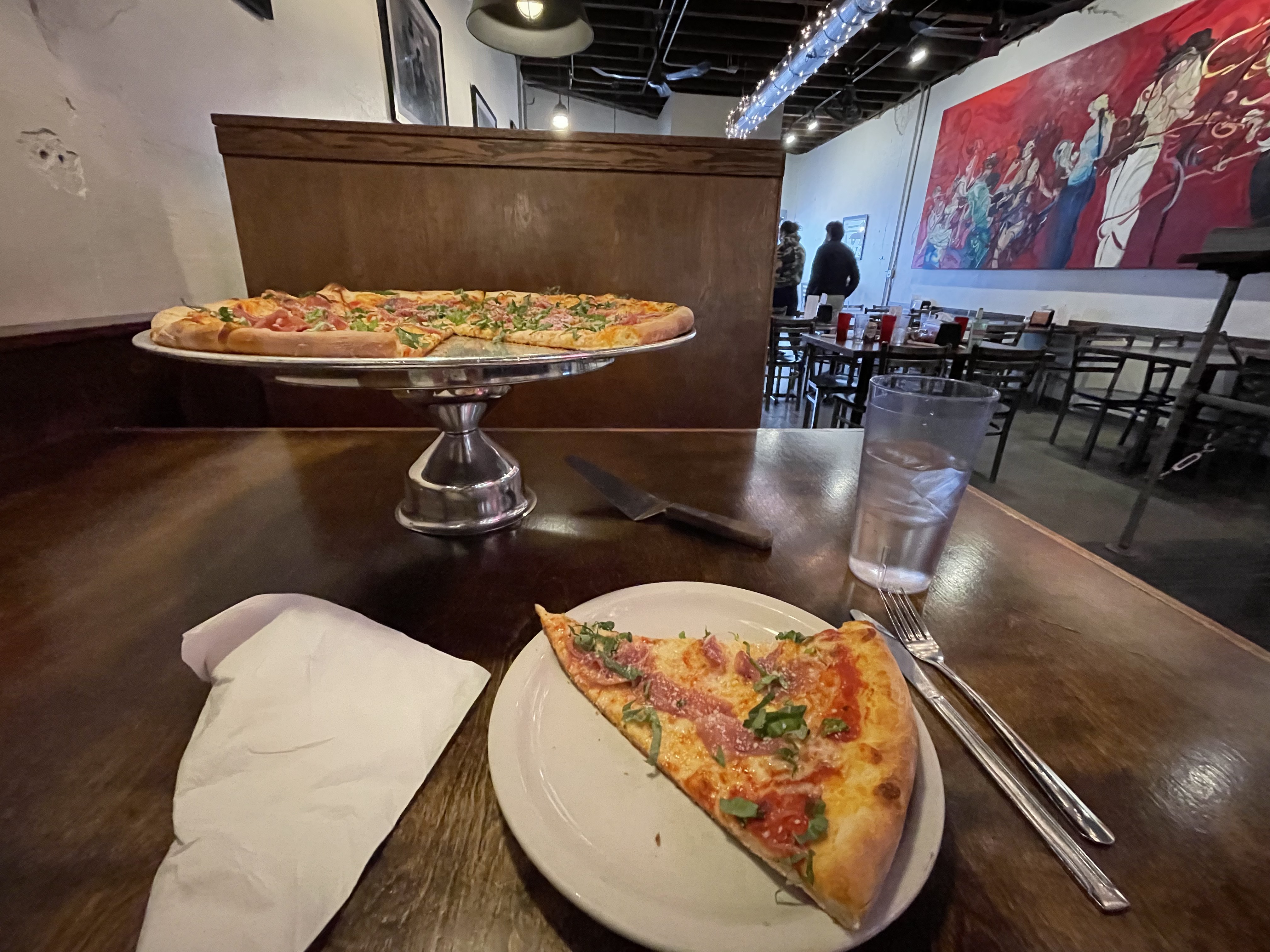
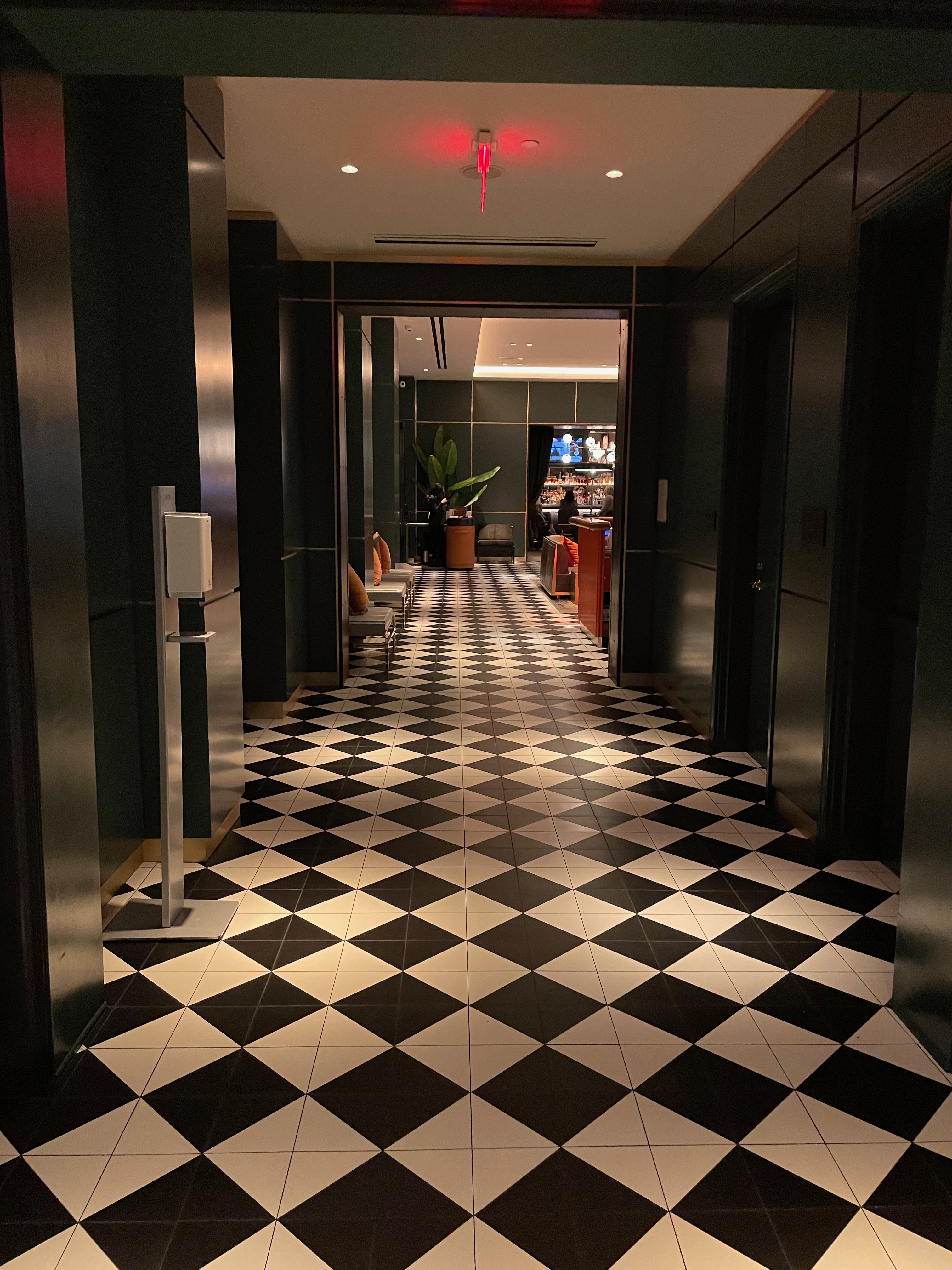
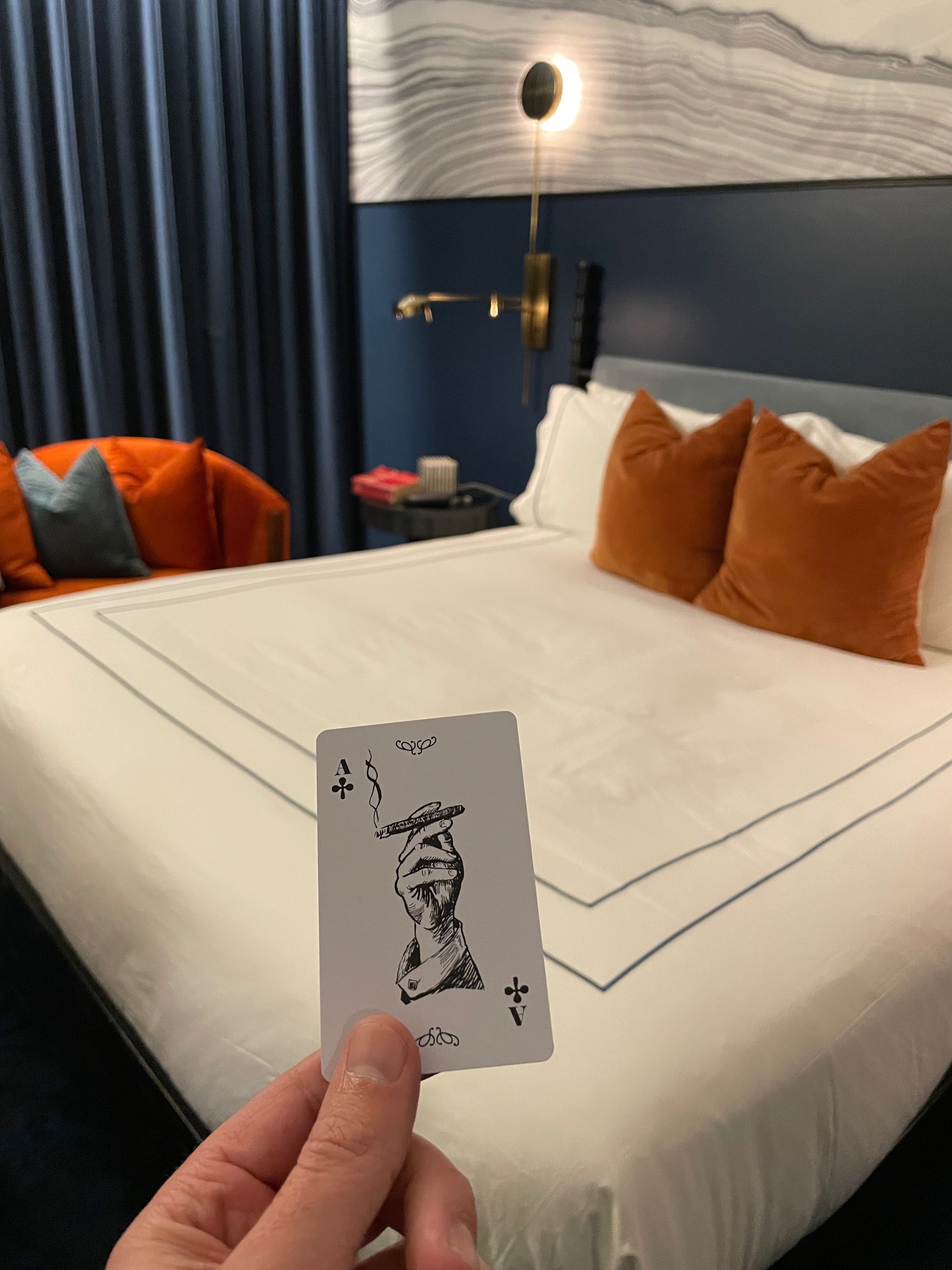
I kind of wish I was staying out of downtown and in the neighborhood where this pizza place is at. The neighborhood seemed really cool and offered a lot of places to eat, drink, and play, but whatever. My trepidation is probably just because I am not a fan of my current hotel. I mean, expectations were high after the Big Cypress Lodge, and unfortunately my current lodgings do not live up to expectations. How could they after being newly remodeled in a dark, creepy art deco style (Why is this coming back into fashion? I’m seeing it more around Omaha too…)? The room is also kind of dingy, doesn’t seem to be the cleanest, and doesn’t even have a coffee pot in it, which seems like a big fail for a hotel room. Even my card key was over the top artsy and pretentious, taking the form of a playing card. I mean…get over yourselves, people. I’ve stayed at a Bass Pro Shop nicer than this.
BUT! I will nevertheless try to keep an open mind. If anything has been a theme on this trip, it’s that I get to a place, don’t like it at first or don’t feel any connection, but then find redeeming adventures that make the trip. Hopefully, Nashville will prove to be no different. Anyways, that calls it for the day; I am exhausted after walking Shiloh. But tomorrow, I get out of this creepy hotel, hopefully find coffee somewhere nearby, and explore Nashville!
Cheers,
-Rob
 robtaylortravels