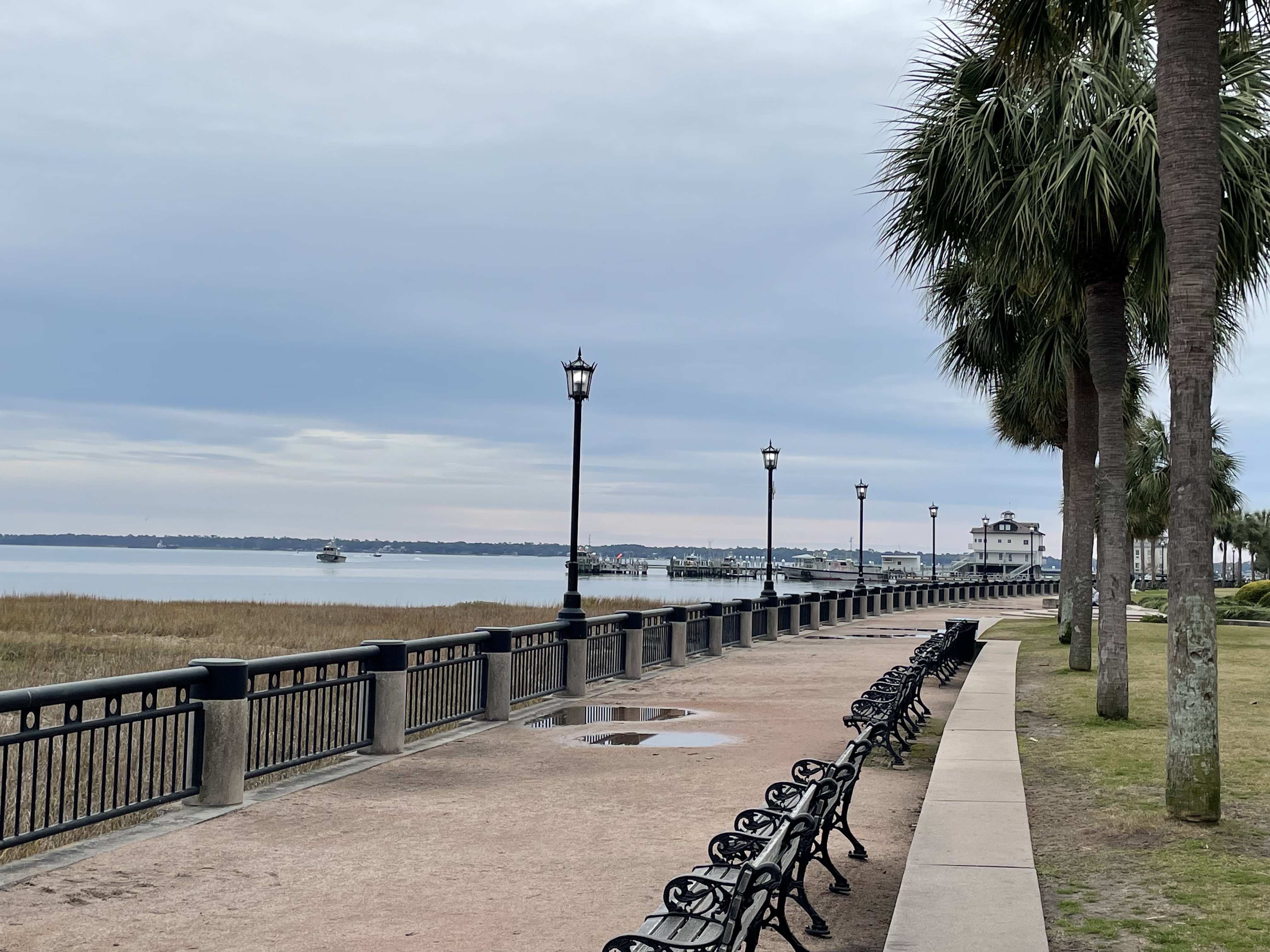
1/25/2022
Hello Blog Readers!
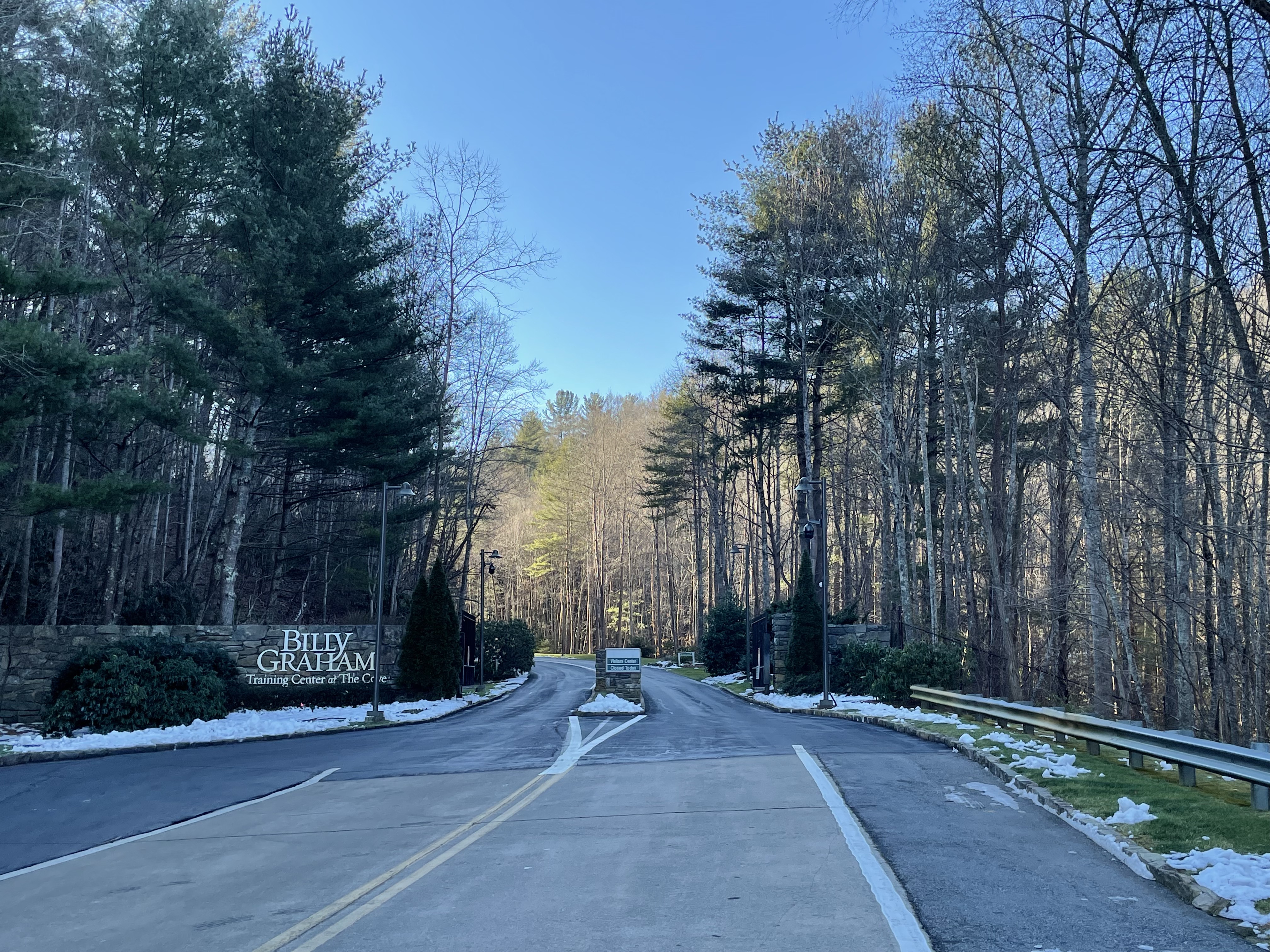
My effort to see the Billy Graham retreat center yesterday before leaving Asheville was sadly dashed by a freak power outage the night before. The outage blew out a transformer that helped power the center, and power was not anticipated to be restored until late that afternoon. As a result, I had to say, “Oh well, maybe next time I make it to Asheville,” and head on to Charleston. Still kind of a weird situation though, as if some sort of dark magic was trying to keep me away from this important Christian site.
Crossing into South Carolina, the elevation quickly dropped and things became very flat and very swampy. On the plus side though, the temperature quickly climbed to the mid 50’s and I started seeing something I hadn’t seen since California: palm trees! Nevertheless, the landscape was so monotonous that it made me wonder why this State has consistently been one of the most fought over pieces of real estate in the United States. I mean, if I were England receiving the Declaration of Independence from the colonies, I would look at the colonies that signed and be like, “Yeah, we’ll go to war with these 12 colonies to hold onto them, but South Carolina…we accept your declaration. You’re on your own pal, good luck!” But…then there’s Charleston.
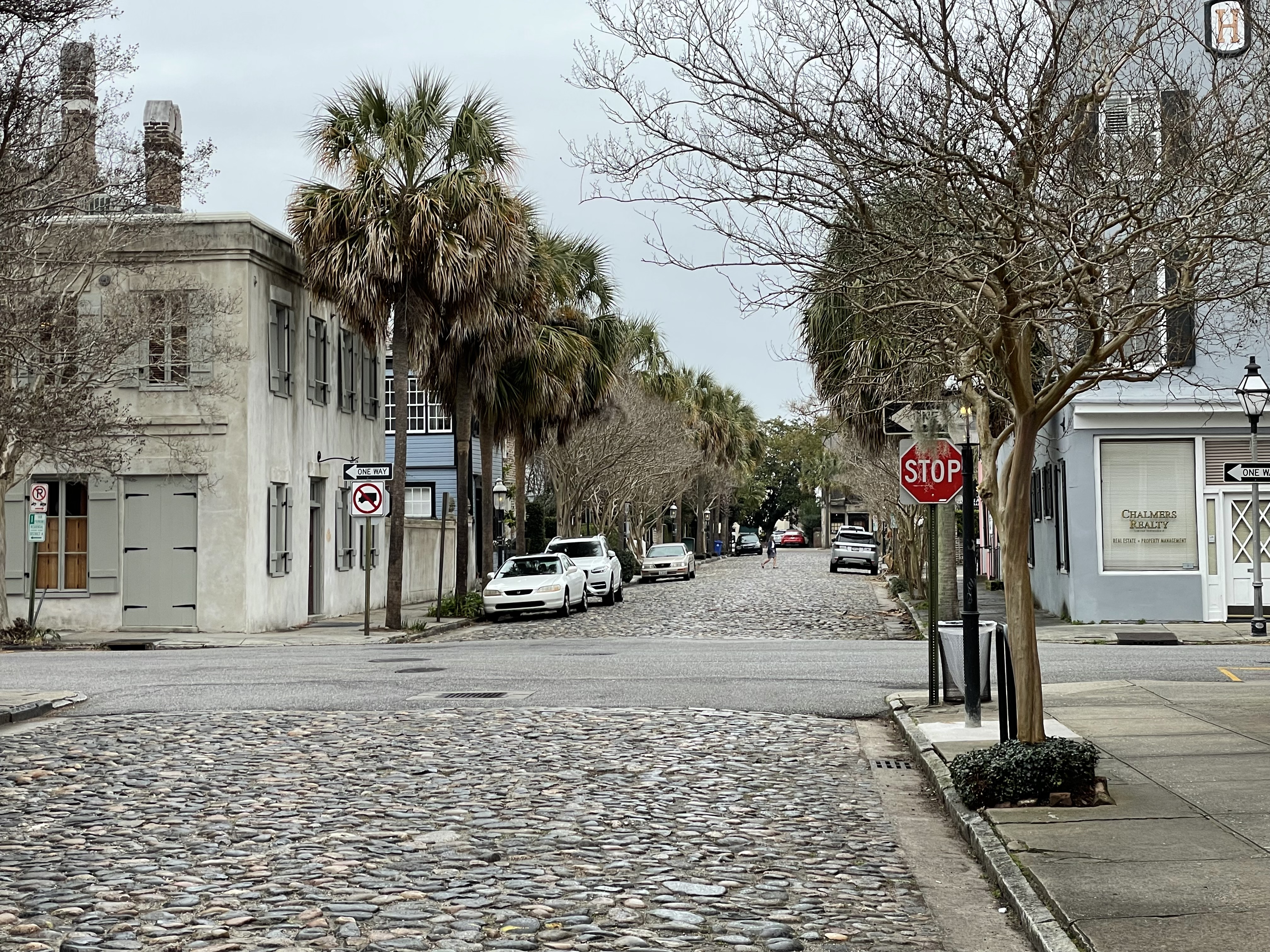
As I’ve learned, Charleston essentially is South Carolina, and it is the reason that this State was one worth fighting for. From the 1600s to the late 1800s, Charleston was the wealthiest city on the Atlantic seaboard. Not New York, not Boston, not Philadelphia, not Washington D.C., Charleston. It had over twice the GDP of those other places, together with a much more bustling population. And it got there through building a rice empire. It was an empire that was so world-renowned that for a time, Japanese emperors would only eat South Carolina rice when eating rice. South Carolina’s swamps were ideal for producing rice, and Charleston became a hub for exporting rice to the world and importing slaves. Yes, that’s the sad truth of Charleston: most of its wealth over the centuries was built on the backs of slave labor. You see it everywhere to this very day. Even the bricks laid in its historic streets have the handprints of slaves forever-pressed into them (it makes for a really awkward experience walking on the streets). In fact, over 60% of slaves that entered the United States entered through Charleston. Even Michelle Obama has traced her family’s slave roots back to Charleston’s ports.
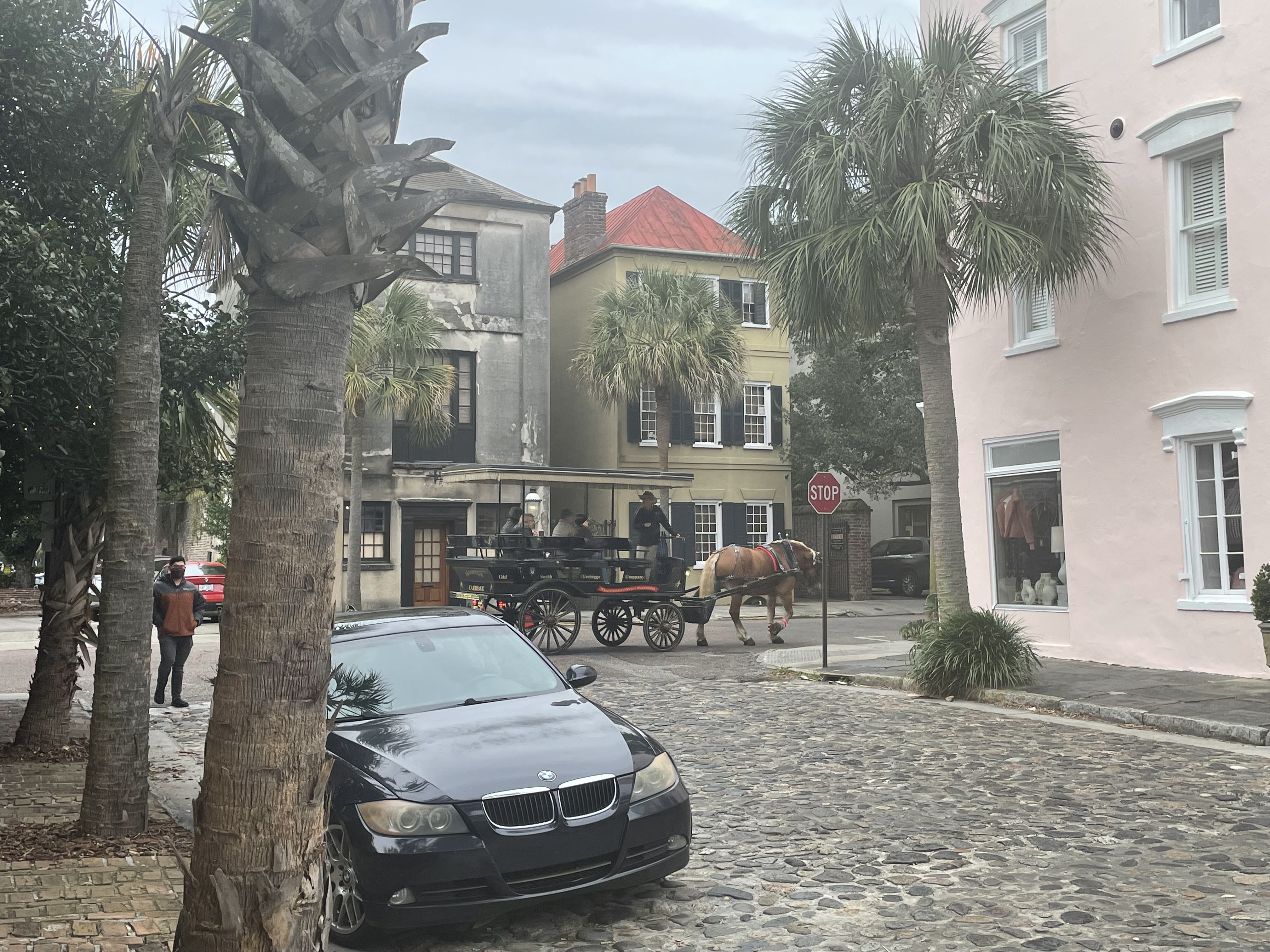
But here’s the guilty truth: the place is absolutely, stunningly beautiful! It is charming. It is hands down the prettiest, cleanest, best kept, kindest city that I have ever had the pleasure of visiting. I have always heard that Charleston is one of the great cities of the world, and now I know that it really is one of the great cities of the world. And the romantic streak isn’t just coming from me, it comes from Hollywood as well. Where is Mel Gibson’s revolutionary war masterpiece The Patriot set? The Charleston area (I even saw some buildings today that were in the movie; also one of the reasons the movie was set here is because the British held very tightly onto Charleston during the Revolutionary War). When Jude Law’s character in Cold Mountain escapes the Confederacy in his effort to get back home to Nicole Kidman, where does he head to first? Downtown Charleston. Not one, but two movies adapted from Nicholas Sparks novels are set in Charleston (The Notebook and Dear John). If you want to write a deep screenplay about life and what life is about, you’d better set it in Charleston.
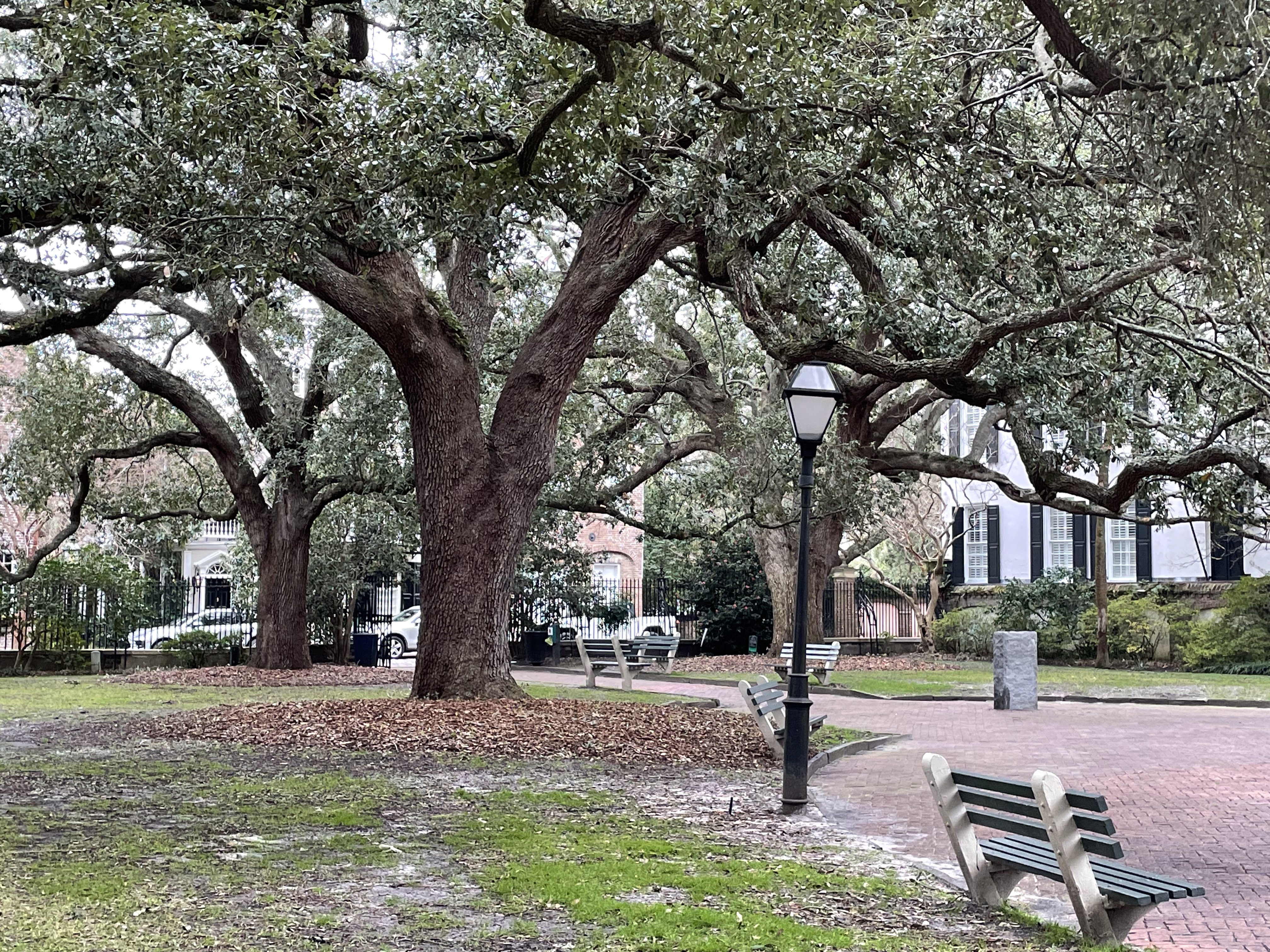

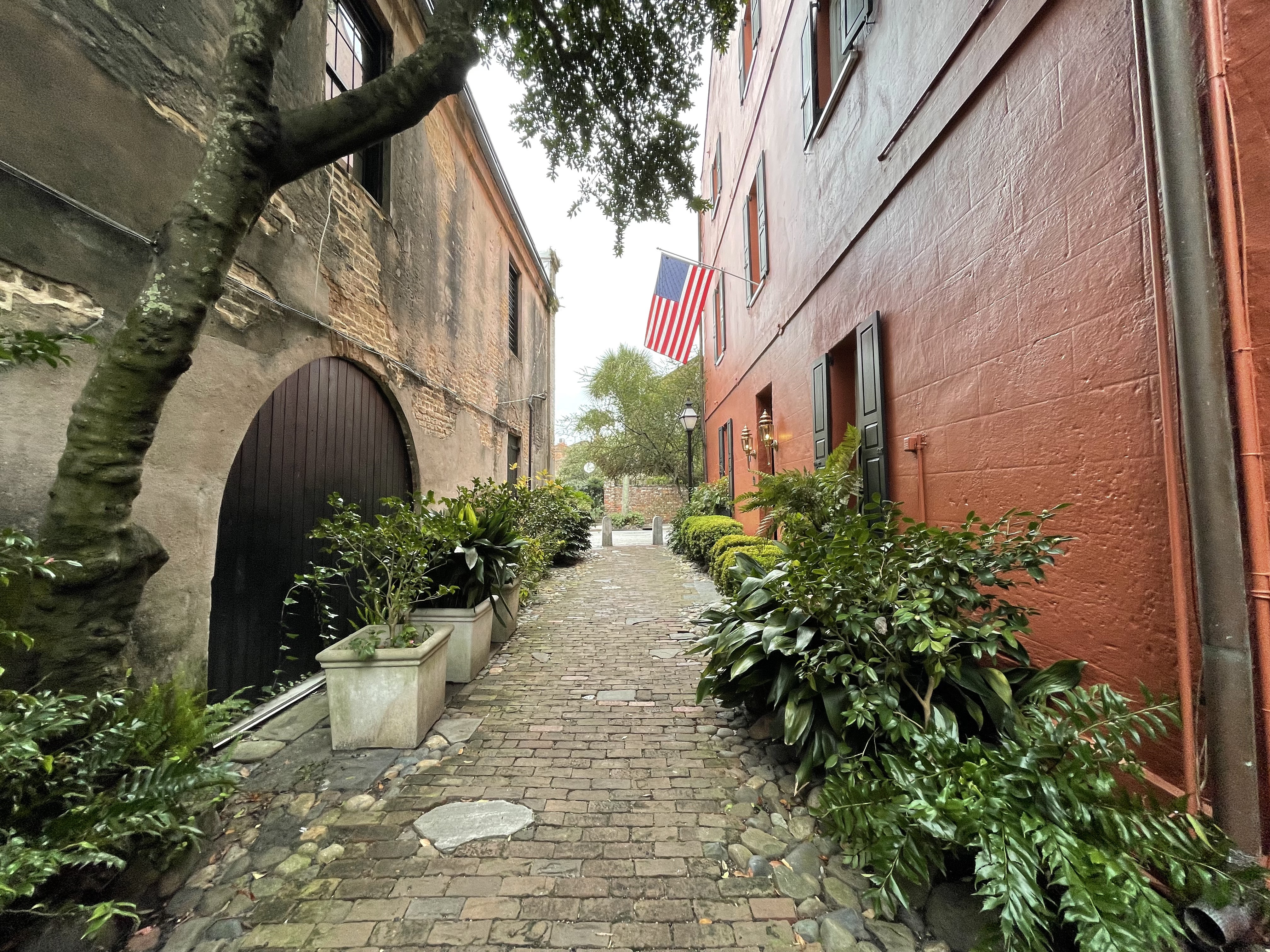
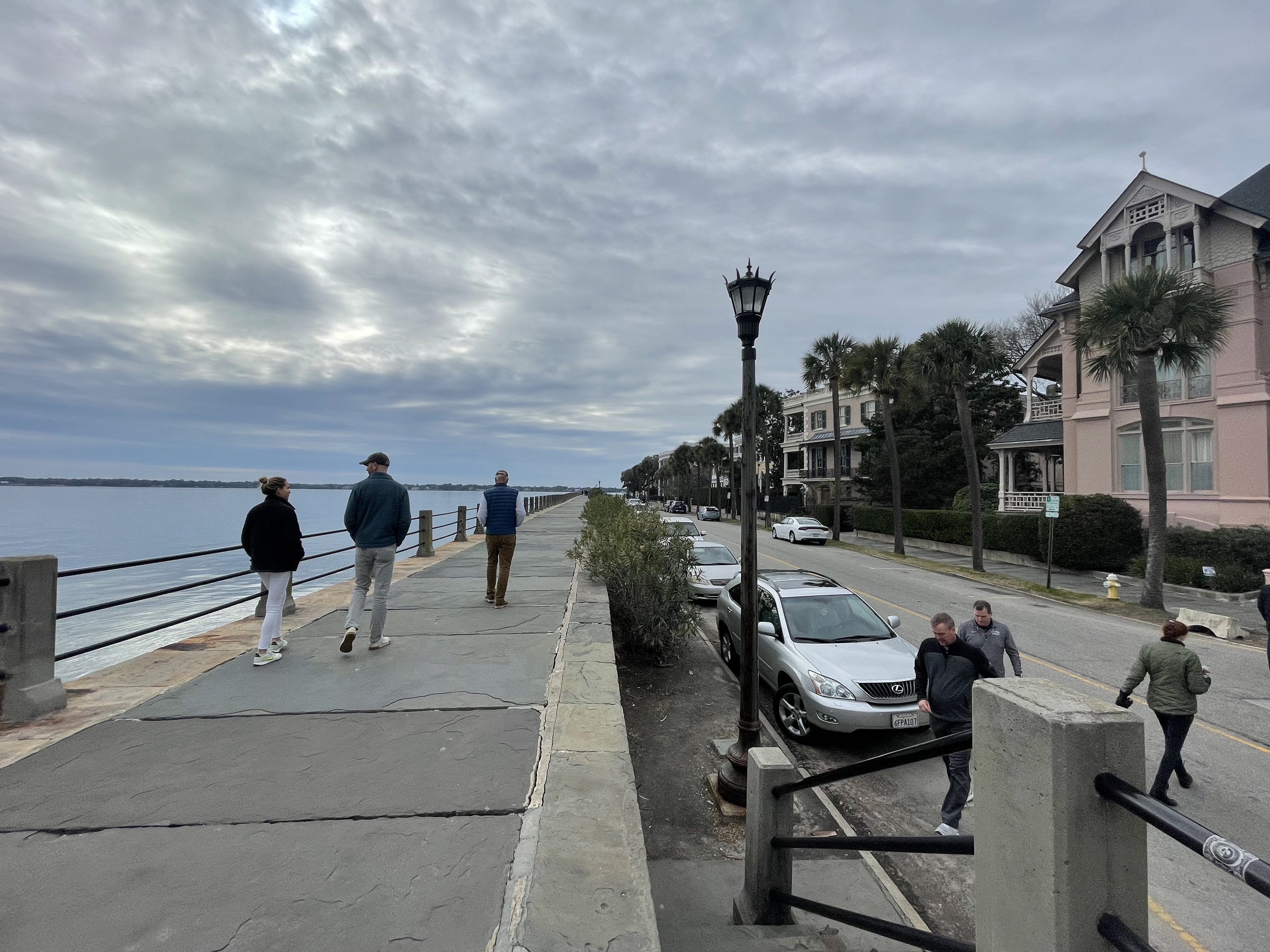
But enough fawning over Charleston. Let’s discuss my time here. This is the first time on my southern trip that I am not crashing in a hotel, but staying and spending time with people. And the family I’m with this time is actually an old Mercy family – the Curcio family!
Like many Northern Californians, the Curcios too made the big move out of California. While I taught at Mercy, I had the honor of teaching their son Nick, who is currently at the University of Nevada Reno, and their daughter Sophia, who is currently at the University of South Carolina. Also, Dr. Curcio and my dad used to work together at Dignity up in Redding. Unfortunately I didn’t get to see Nick or Dr. Curcio on this trip, but I did get to see Sophia, so if you see her wandering about or stuck in the gallows in my photos, that’s why. Oh, and during high school Nick and Sophia told me that they had a pet pig and I never really believed them for some reason, but no. They totally have a pet pig. It wanders the house, doing pig stuff and not realizing that it’s not one of the dogs.
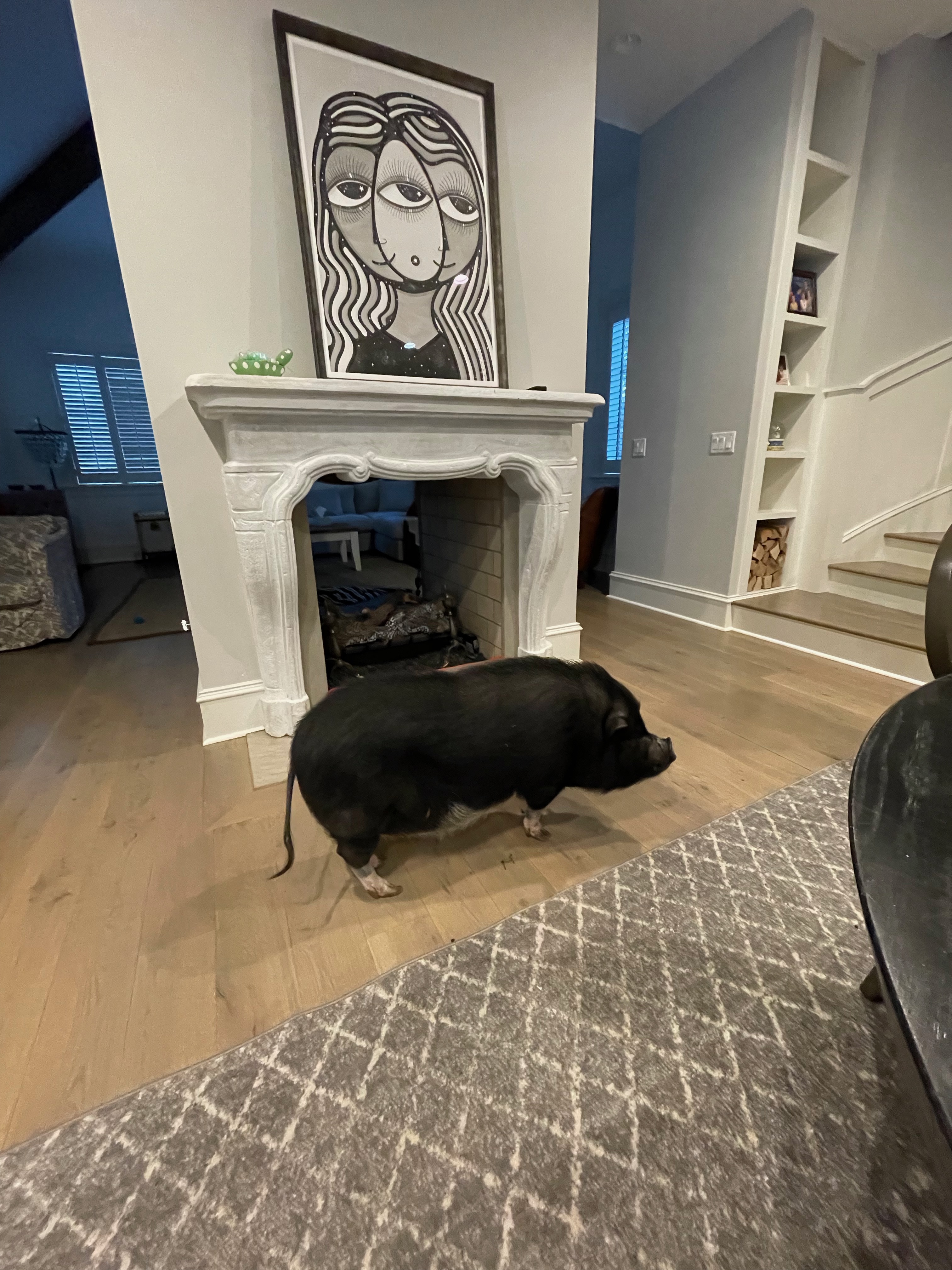

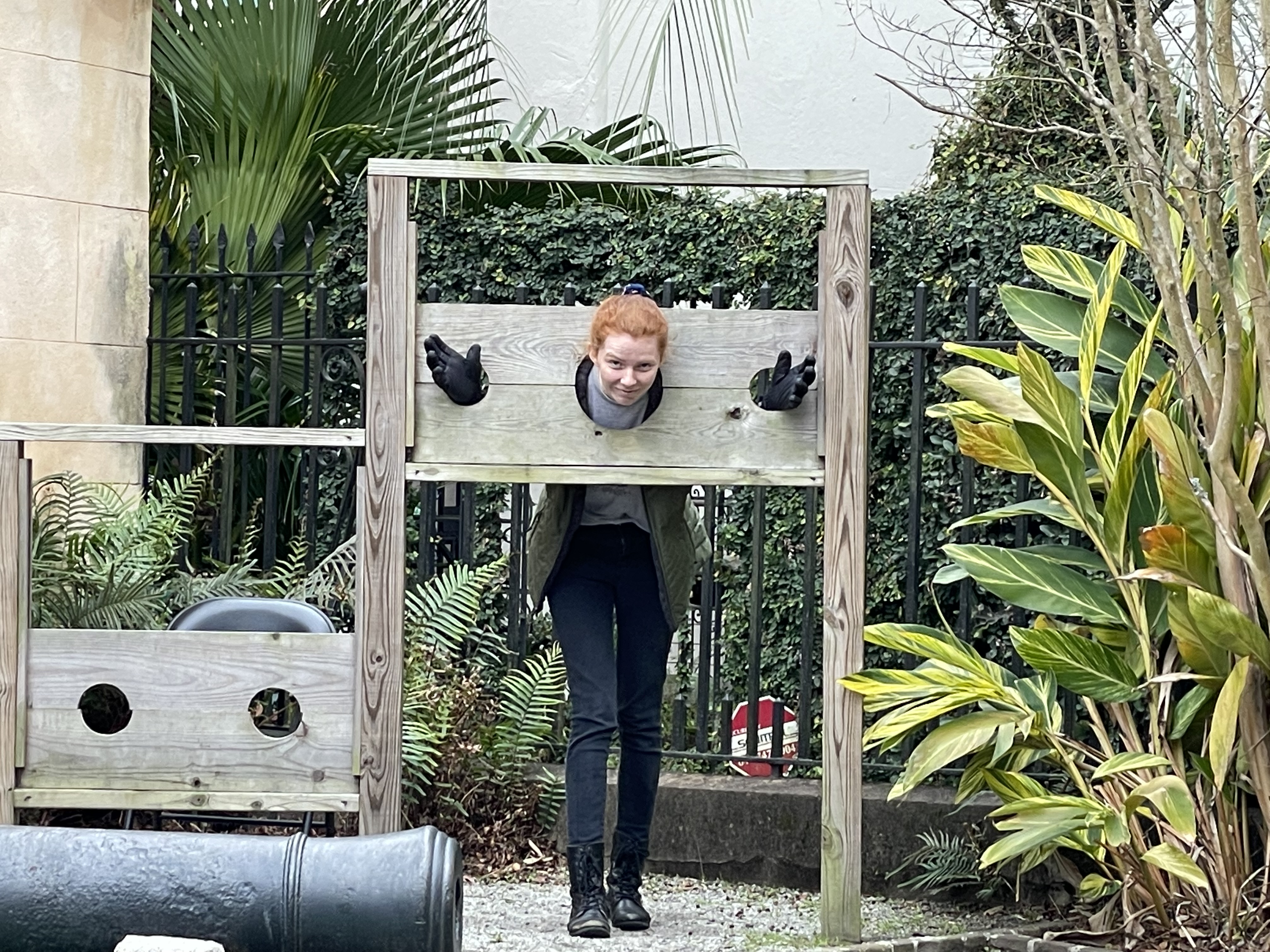
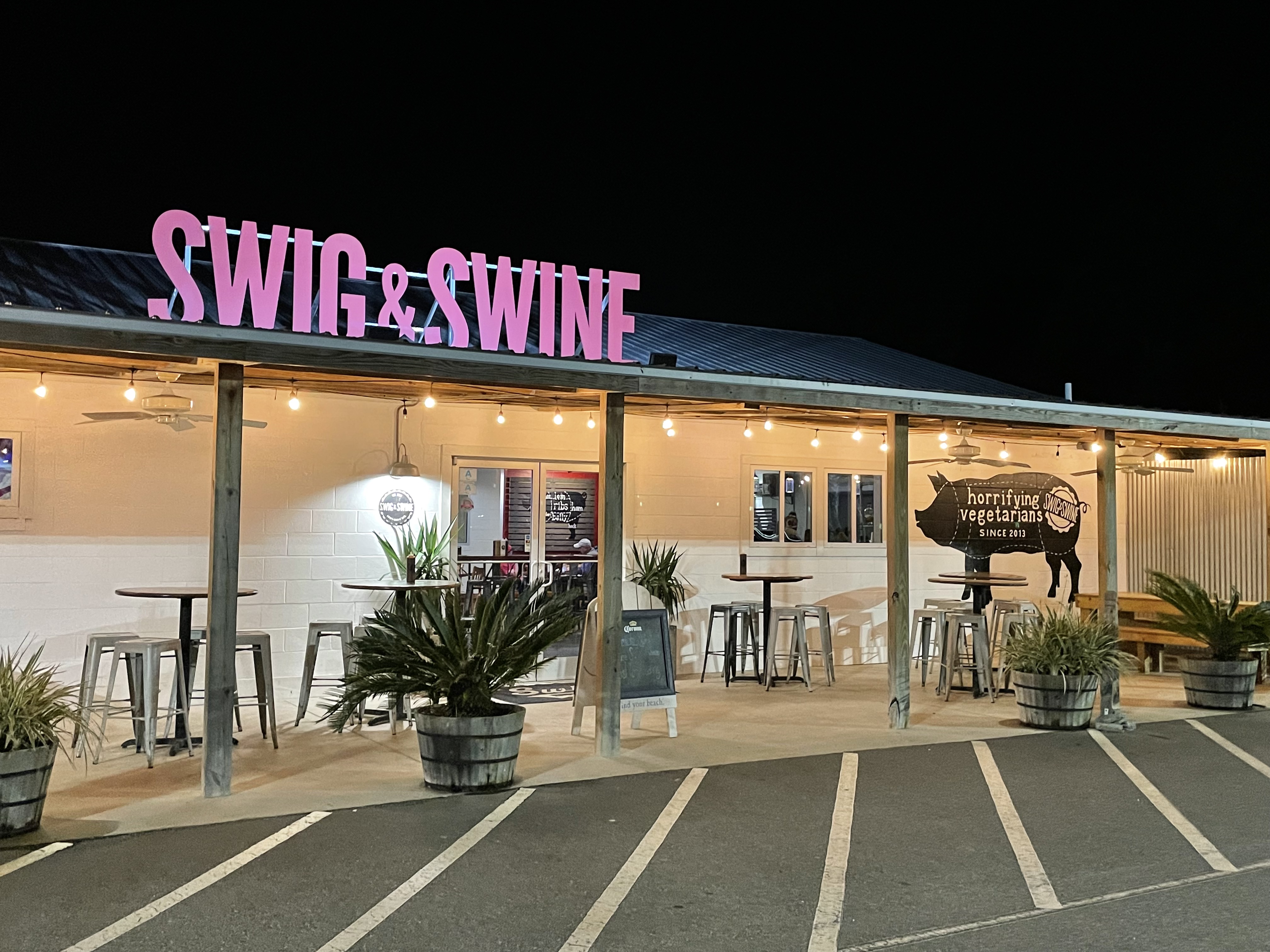
The Curcios have been phenomenal hosts (thank you so much for letting me stay here!) and I have really enjoyed my time with them. When I got here, they took me first to the Swig & Swine, which is a bbq joint that has apparently been horrifying vegetarians since 2013.
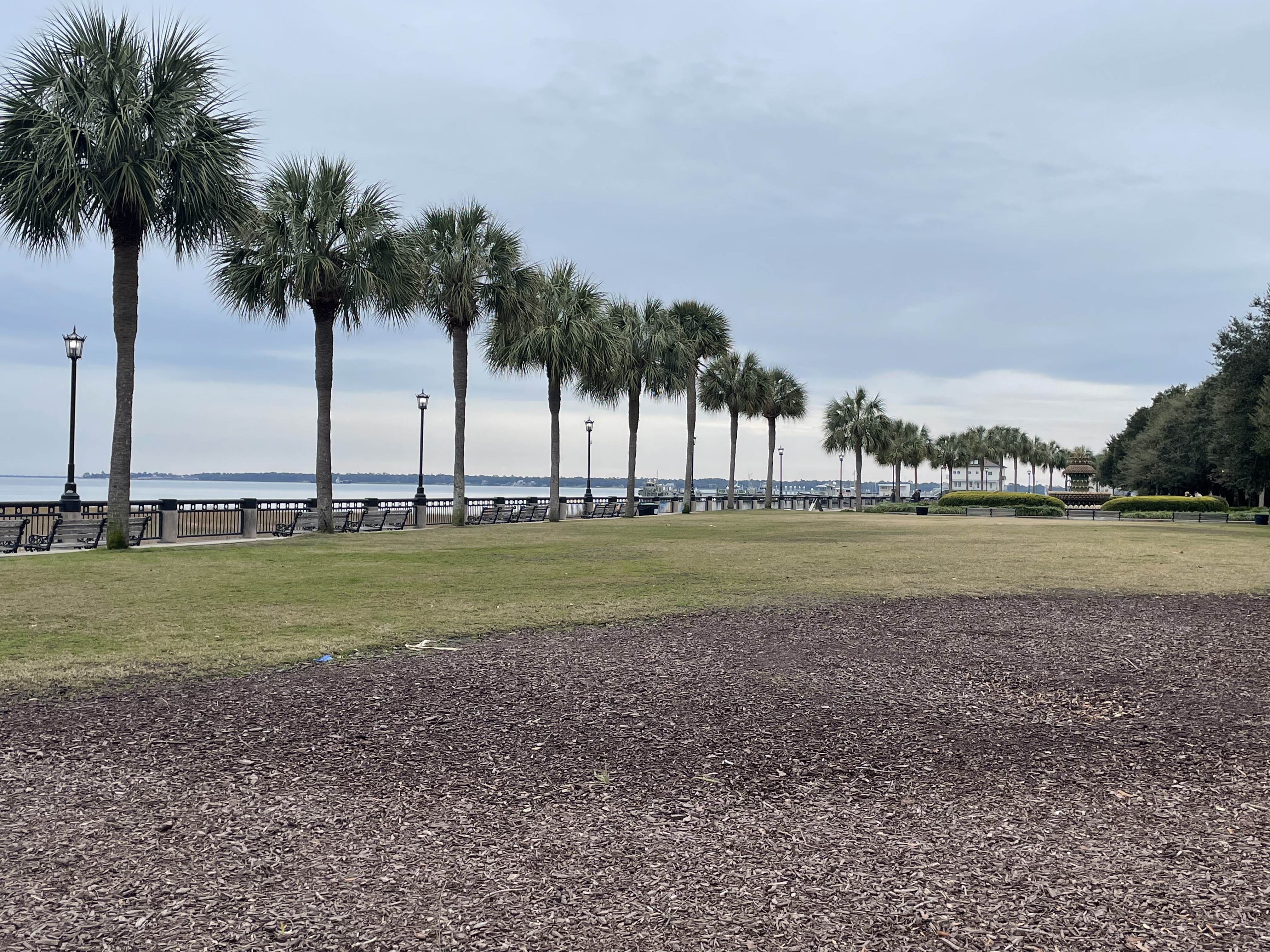
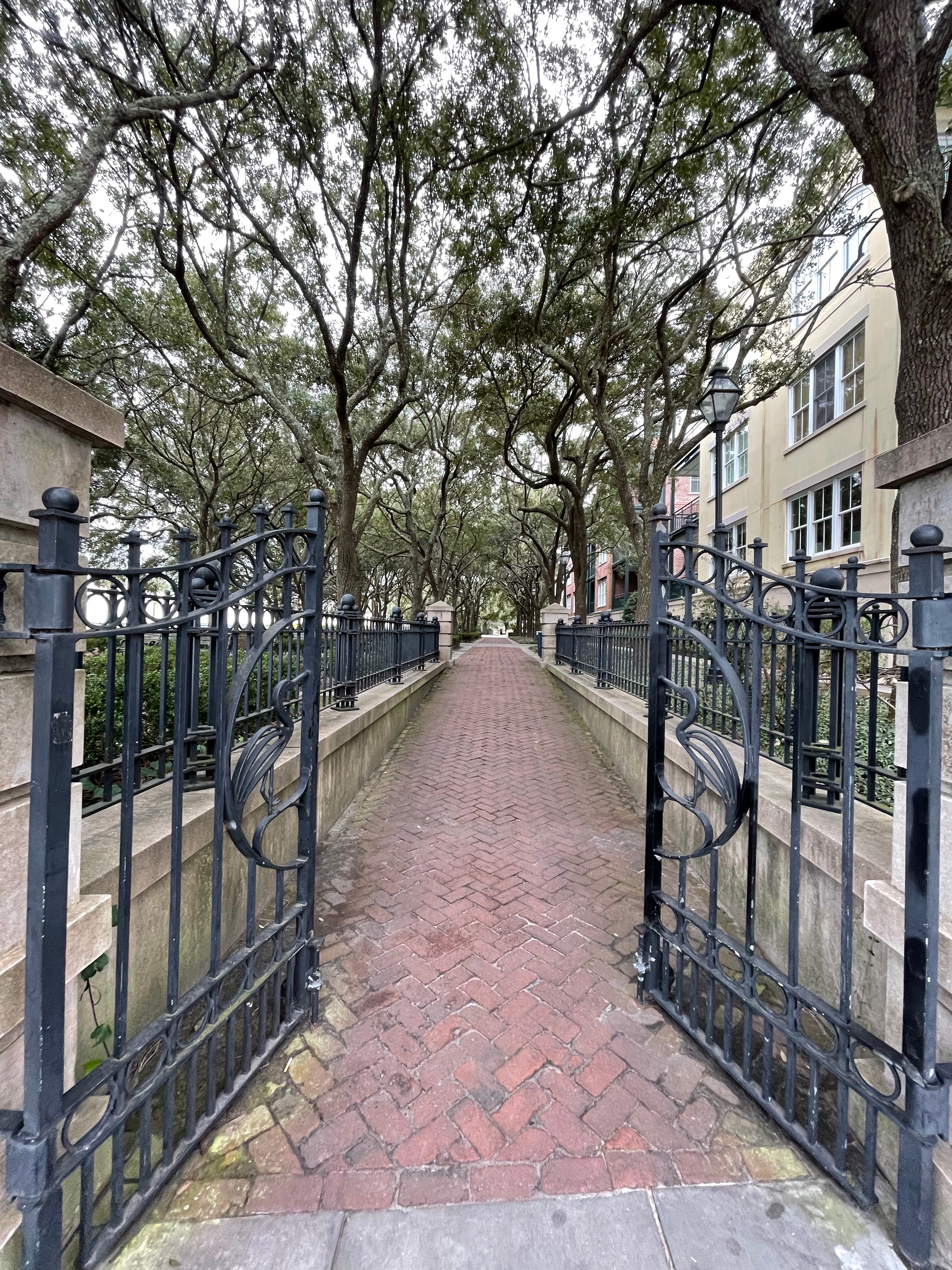
Then today, they aligned a walking tour of the City for us which was very enlightening. In addition to learning about the insane number of earthquakes in the area, we also learned about George Washington (who allegedly in the course of three days danced with hundreds of ladies during his time in Charleston), Stephen Colbert (who was raised here in quite the mansion on the waterfront), and the oldest liquor store in the country.
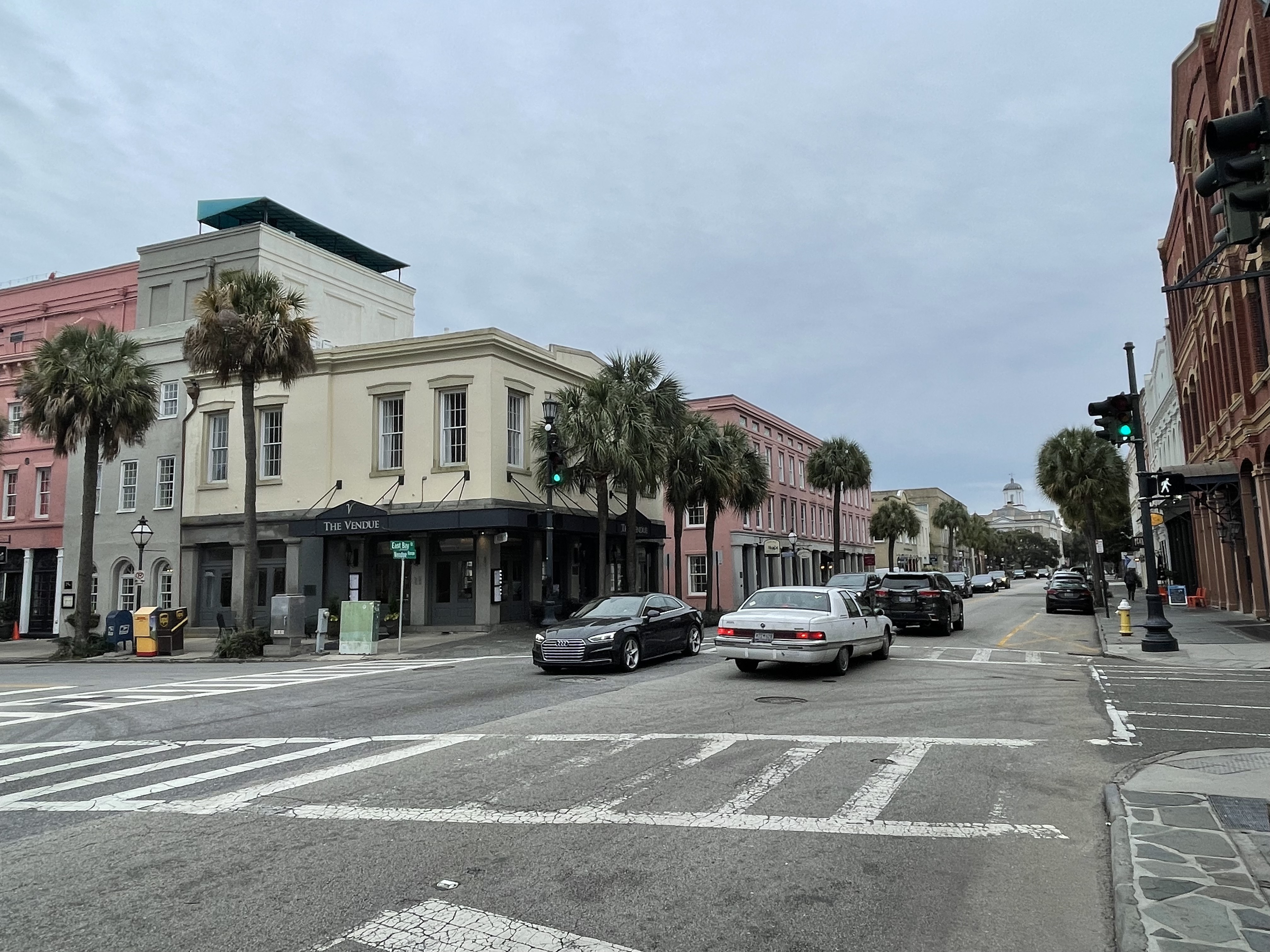
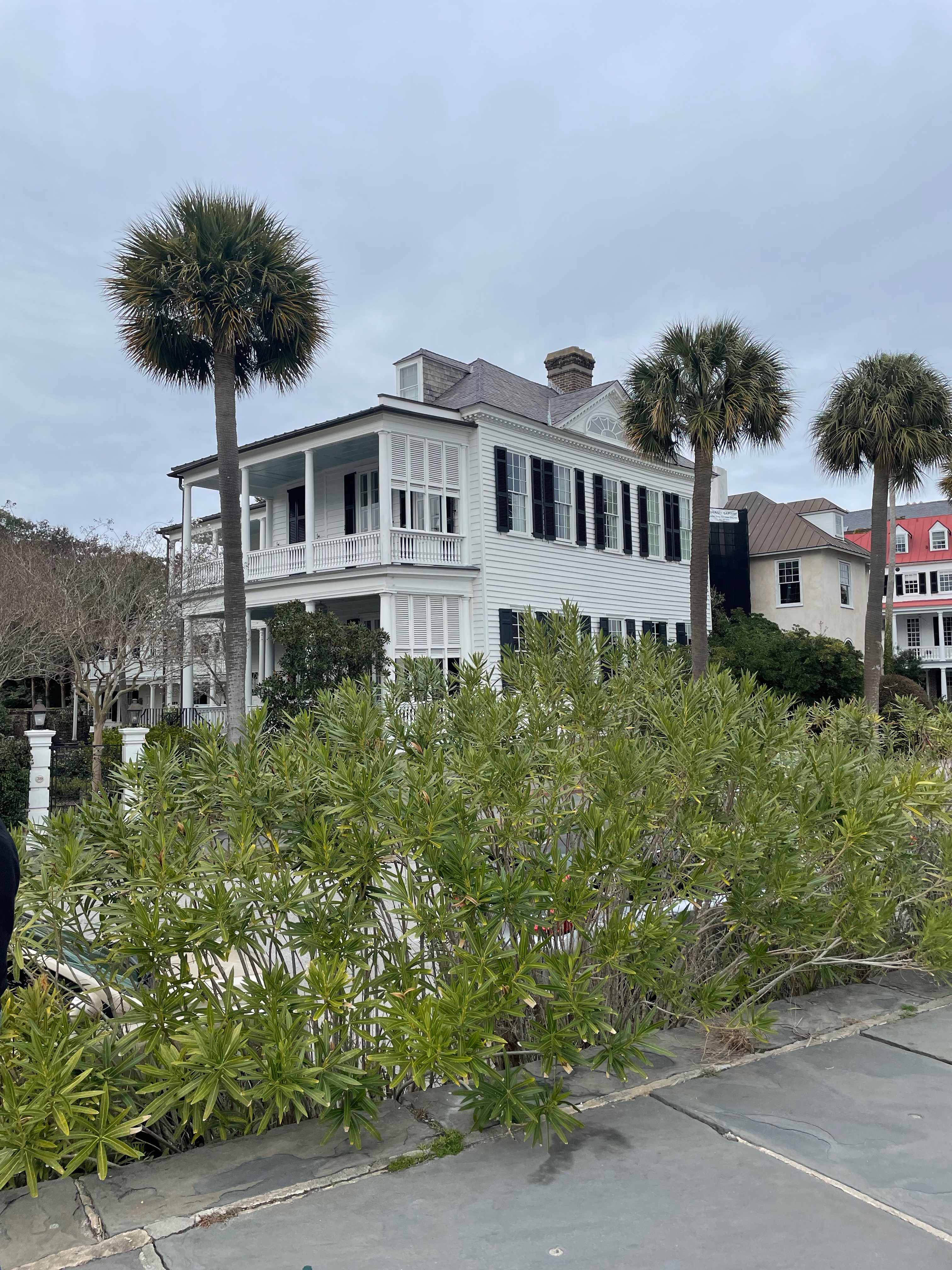
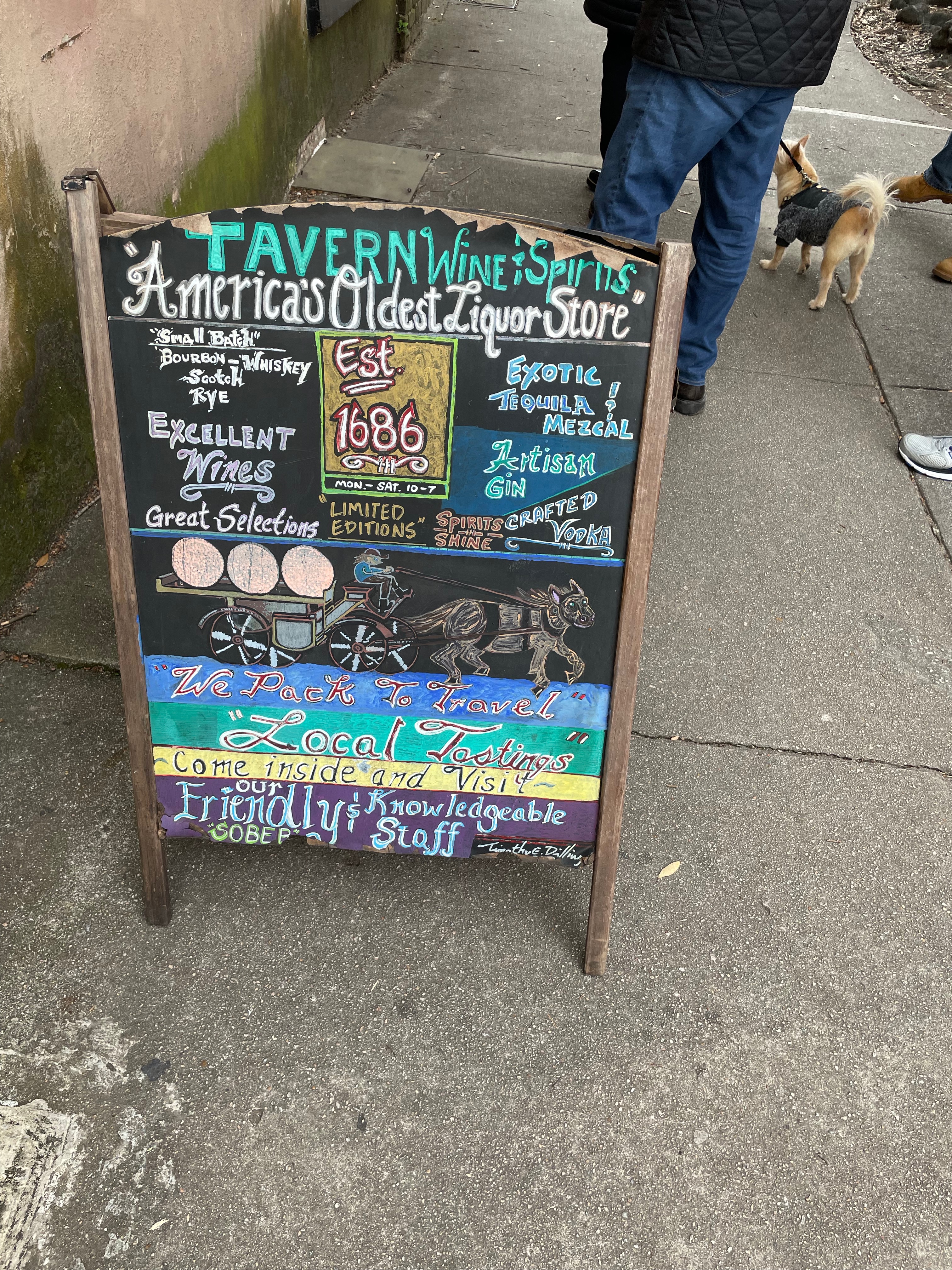
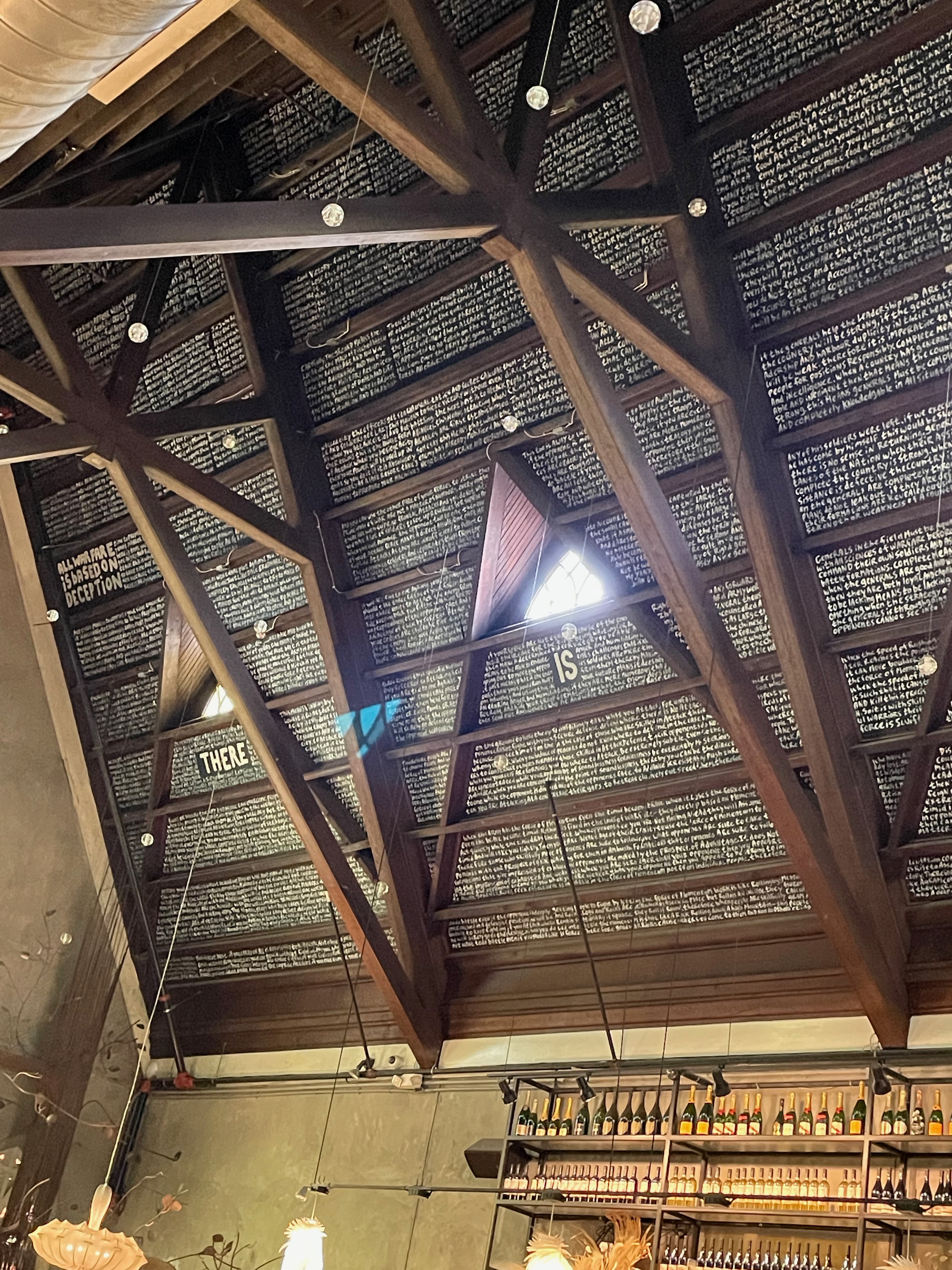
After the tour, we had lunch at this really cool restaurant with an amazing wine selection. It was an old church at one time. The ceiling of the restaurant had the entirety of Sun Tzu’s The Art of War written on it. It turns out that Charleston is a major foodie town, hosting several of the top restaurants in the country. Bill Murray even loves the area for that and other reasons, and has invested in several restaurants in the town.

Then came the biggest surprise of all for this old history teacher: the Curcios surprised me with a boat tour out to Fort Sumter!
If you are a bit hazy on your US History, Fort Sumter was a historic fort built on an artificial island in the Charleston channel. There were other forts in the area, including Castle Pinckney, Fort Moultrie, and Fort Johnson, but Sumter was the last one before reaching the Atlantic Ocean. Sumter is most notable as being the location that started the Civil War.
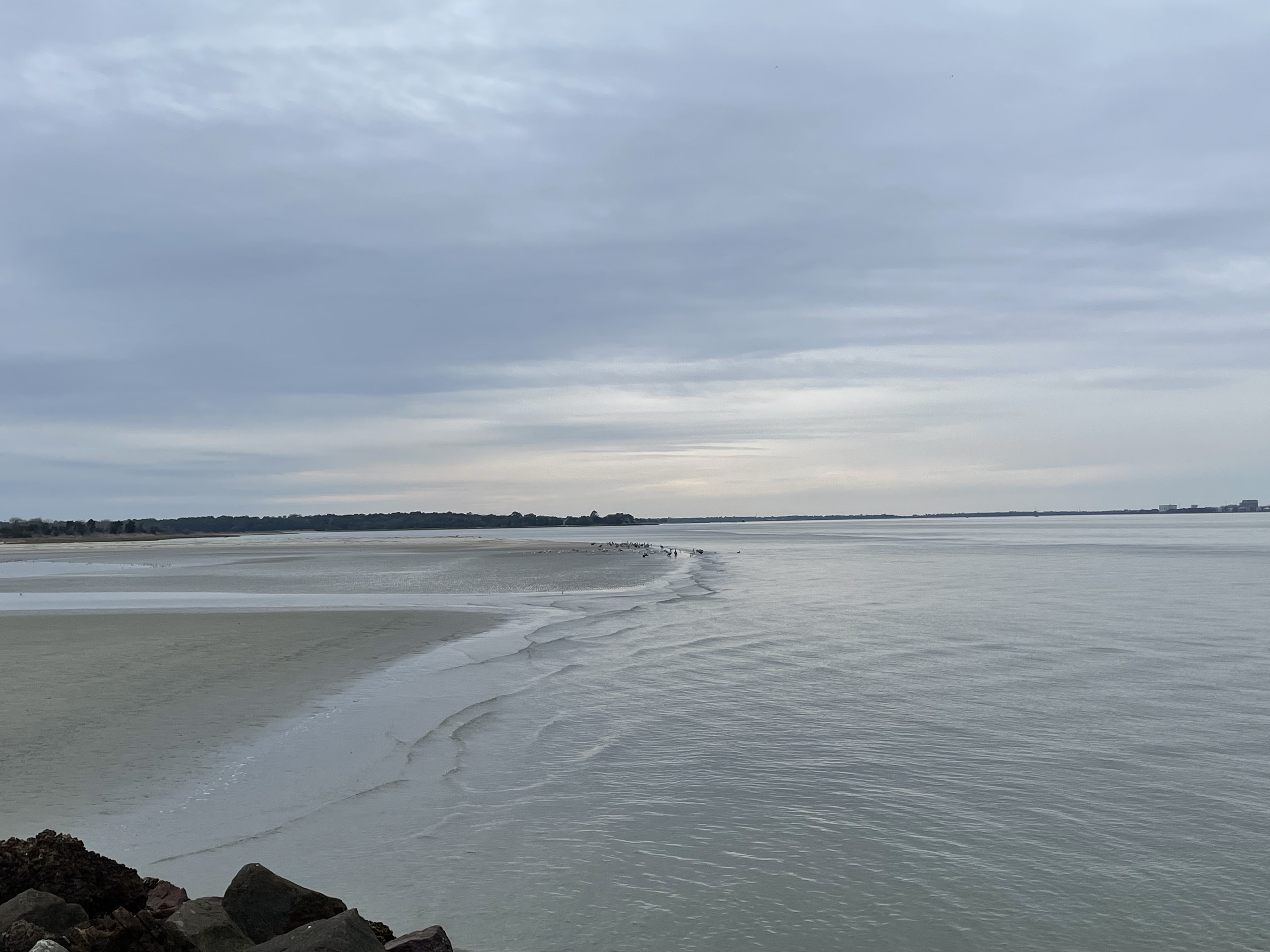
Following Abraham Lincoln’s election in 1860, South Carolina (again, home of Charleston, the wealthiest city in the nation at the time) was the first state to secede. While other Confederate states were coming to their own decisions on secession, South Carolina was busy laying claim to forts within its State, taking Castle Pinckney, Fort Moultrie, and Fort Johnson in the Charleston area. The one Union holdout was Fort Sumter. Repeatedly from January to April 1861, South Carolina’s Governor together with then Confederate General P.G.T. Beauregard (the same Beauregard who led Confederate forces at Shiloh) demanded that Fort Sumter be peacefully handed over to the Confederacy. The Union refused each demand, and on April 11, 1861, Beauregard sent a final demand. When it was refused, on April 12, 1861, the Confederacy shelled Fort Sumter for 34 straight hours. The Fort was surrendered thereafter, on April 13, 1861, and for the rest of the War the Confederacy held the Fort. Charleston thus became a black eye for the Union, both symbolically and strategically, as the Union’s blockade of the Confederacy had a weak point at Charleston. Unfortunately, today the site is kind of boring as it is just a pile of rubble. Oh, but the boat ride out there had lots of dolphins and pretty sights!
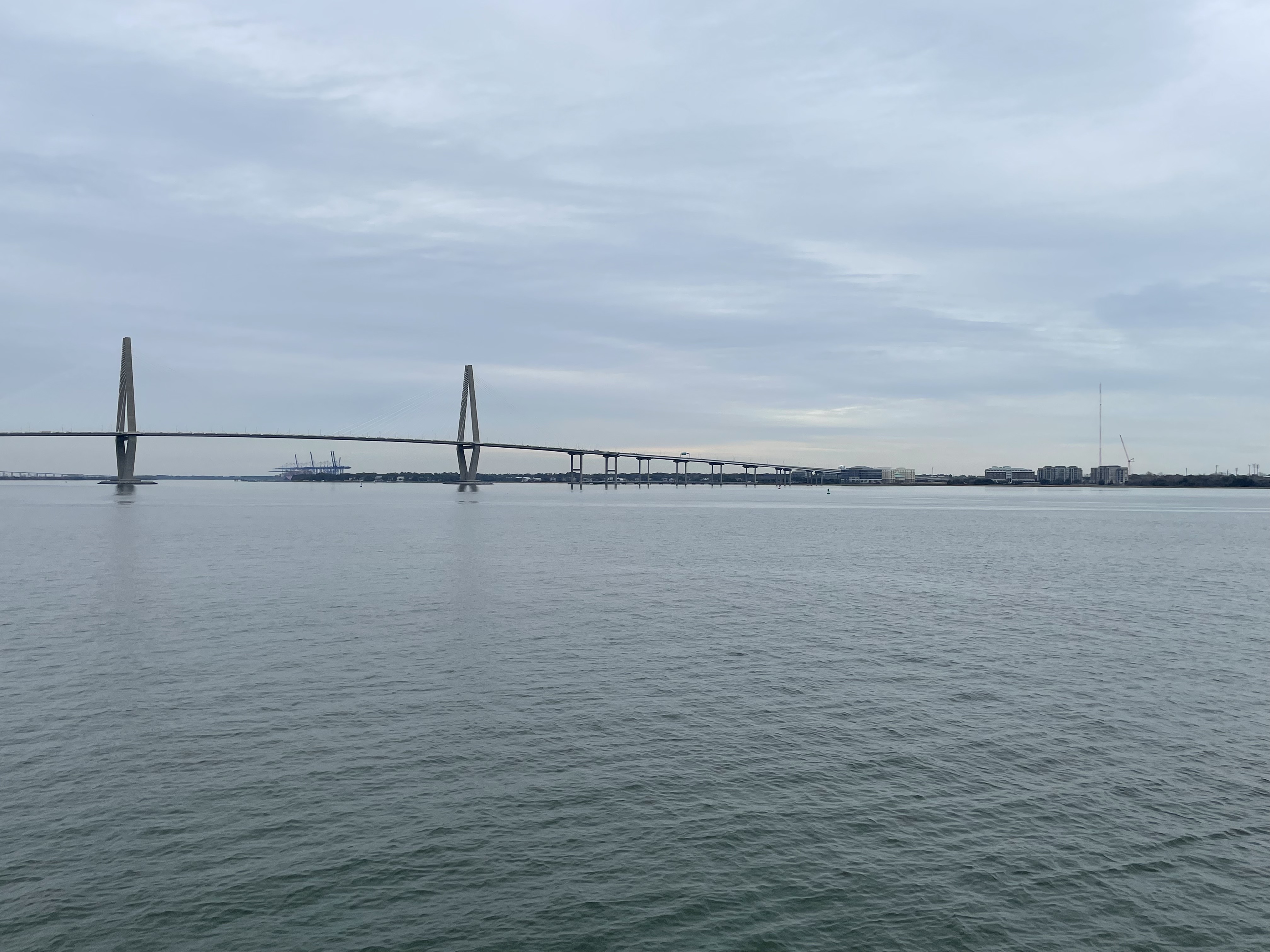
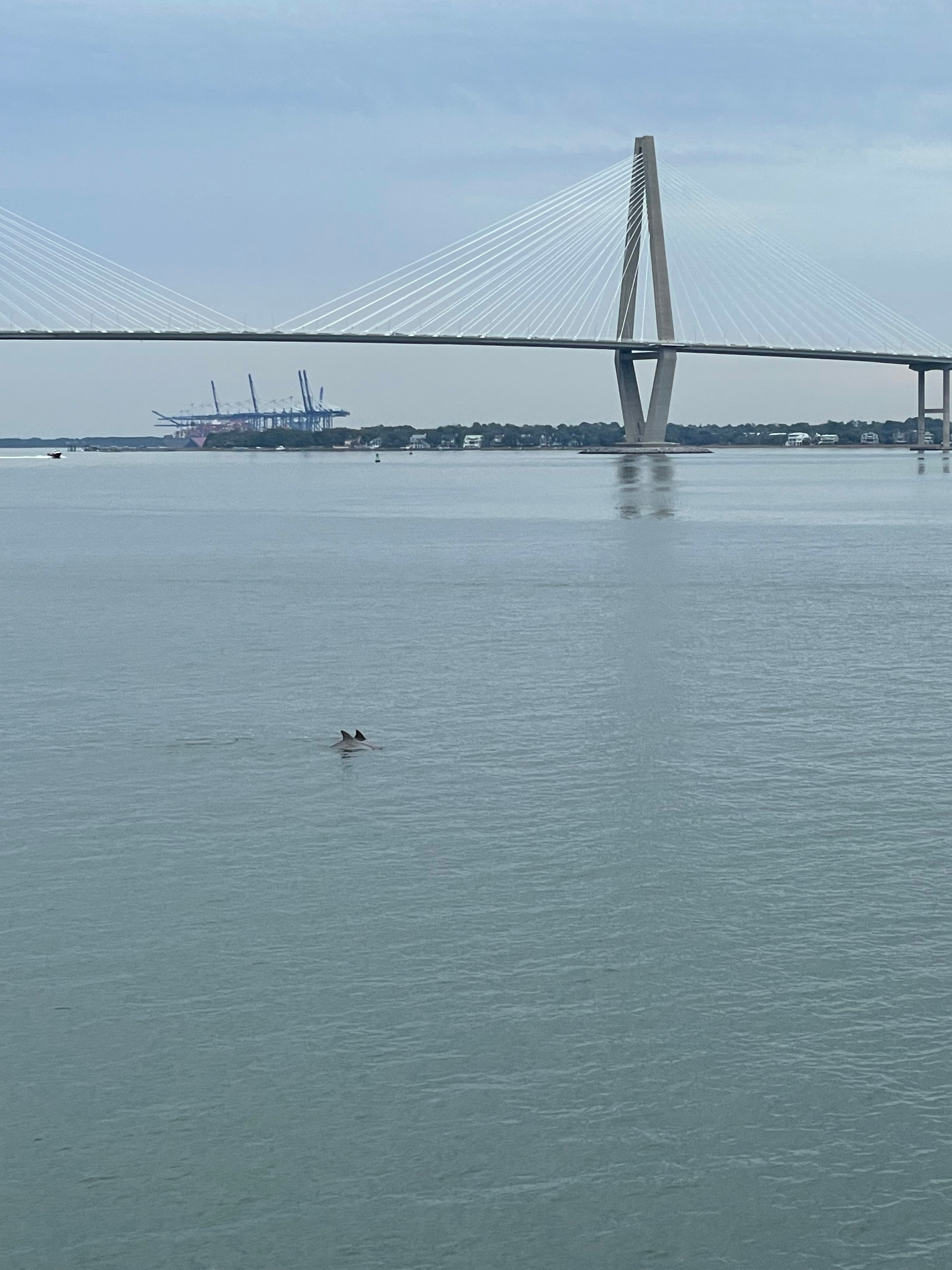
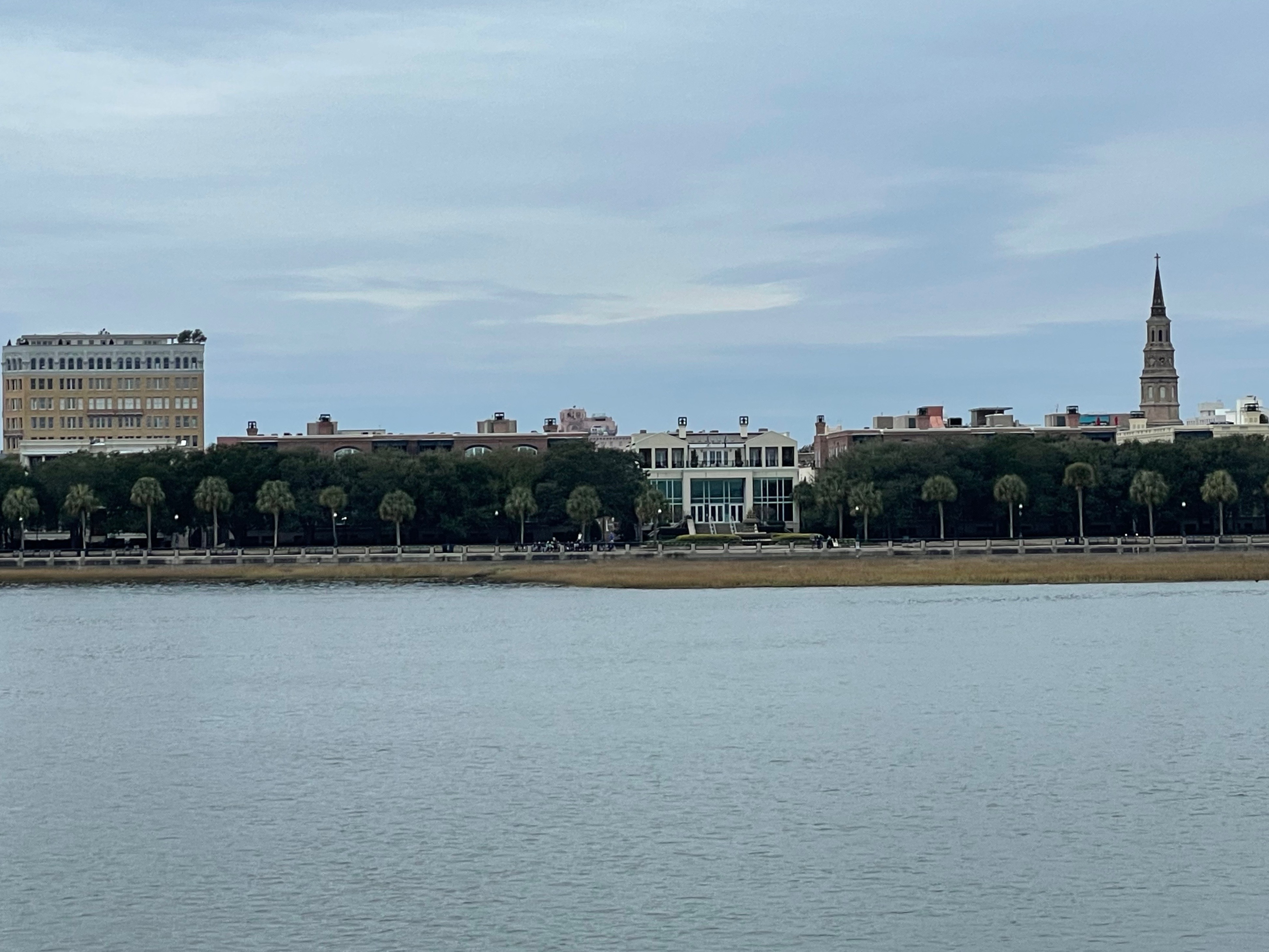
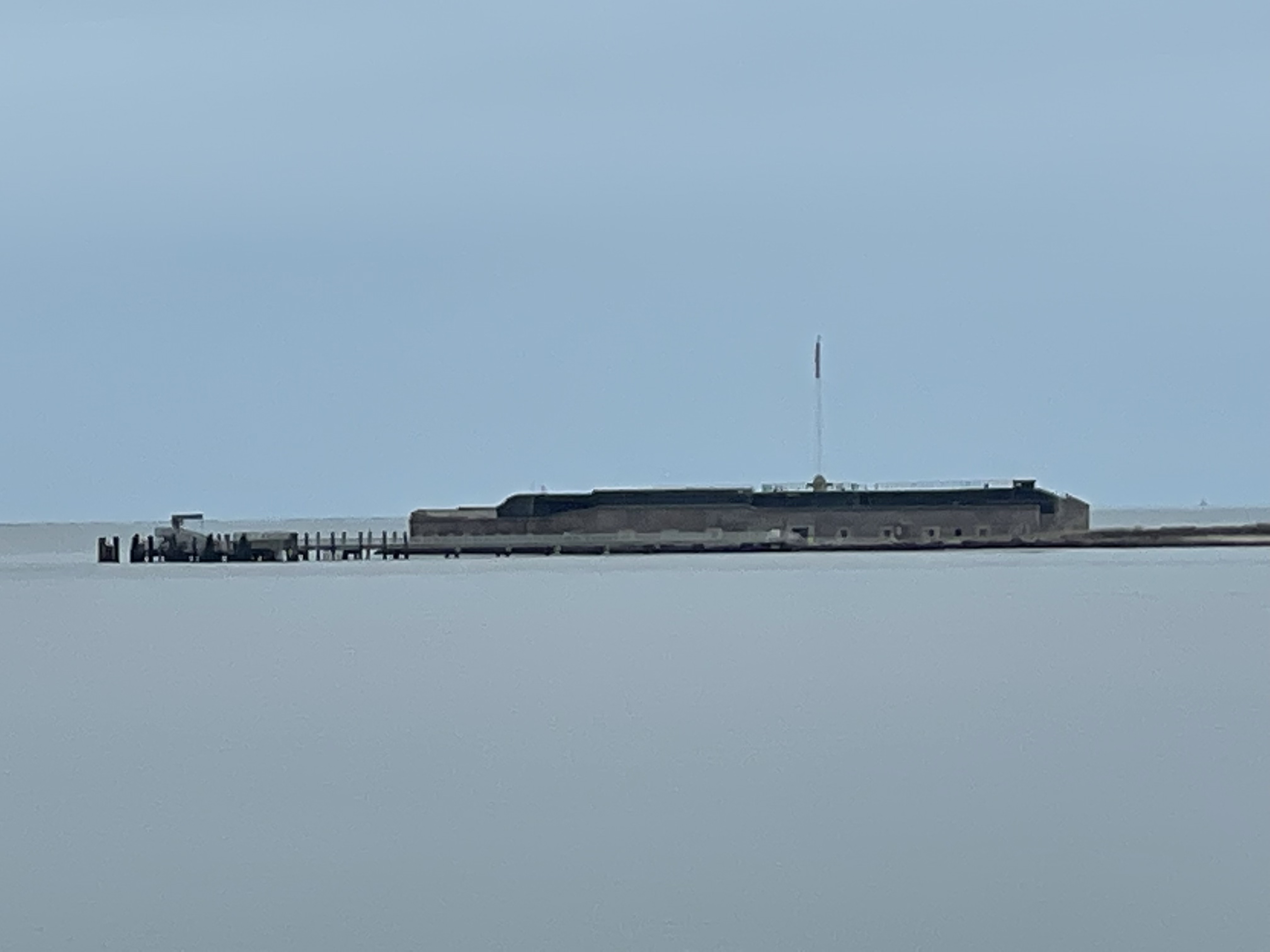
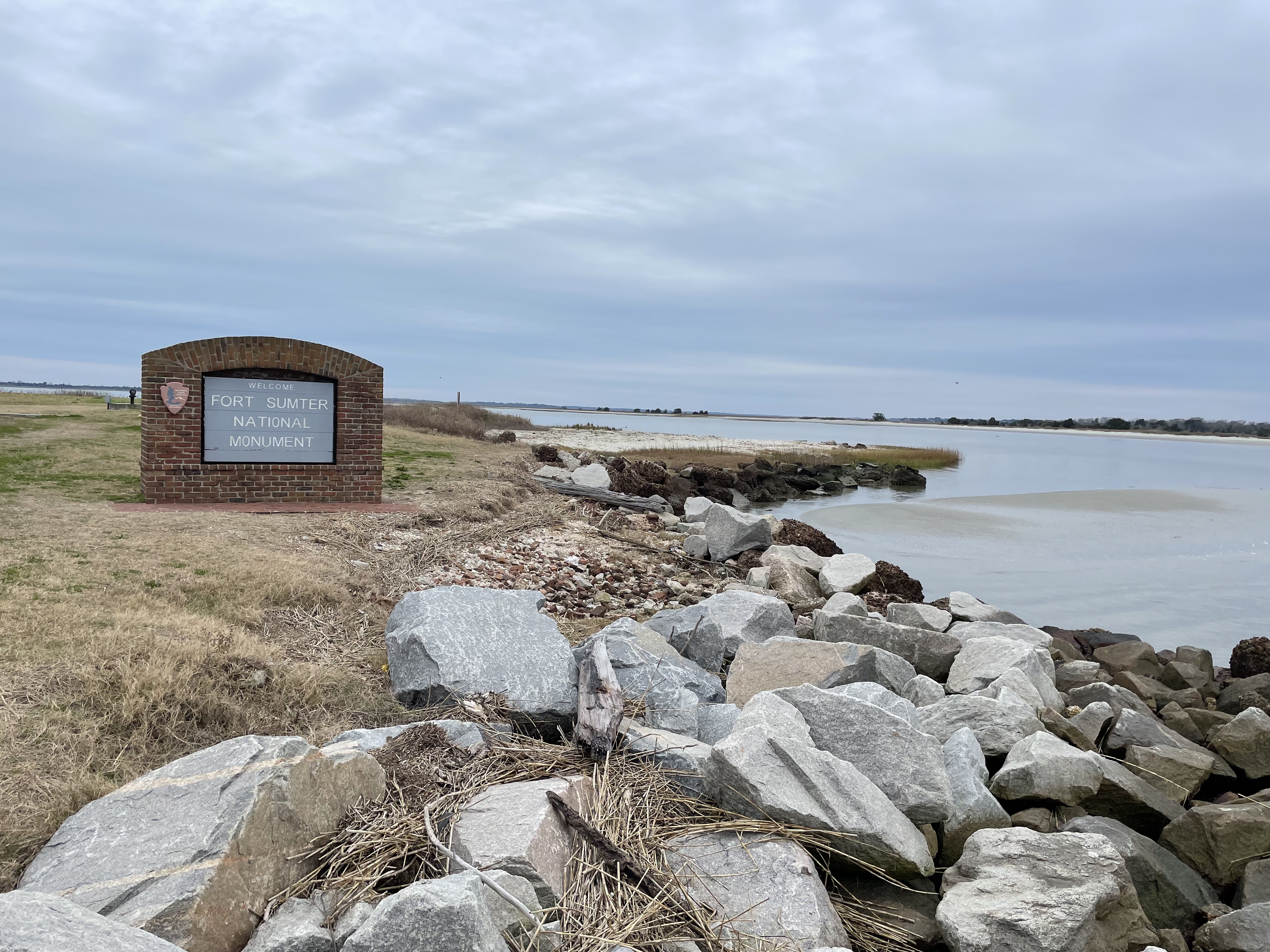
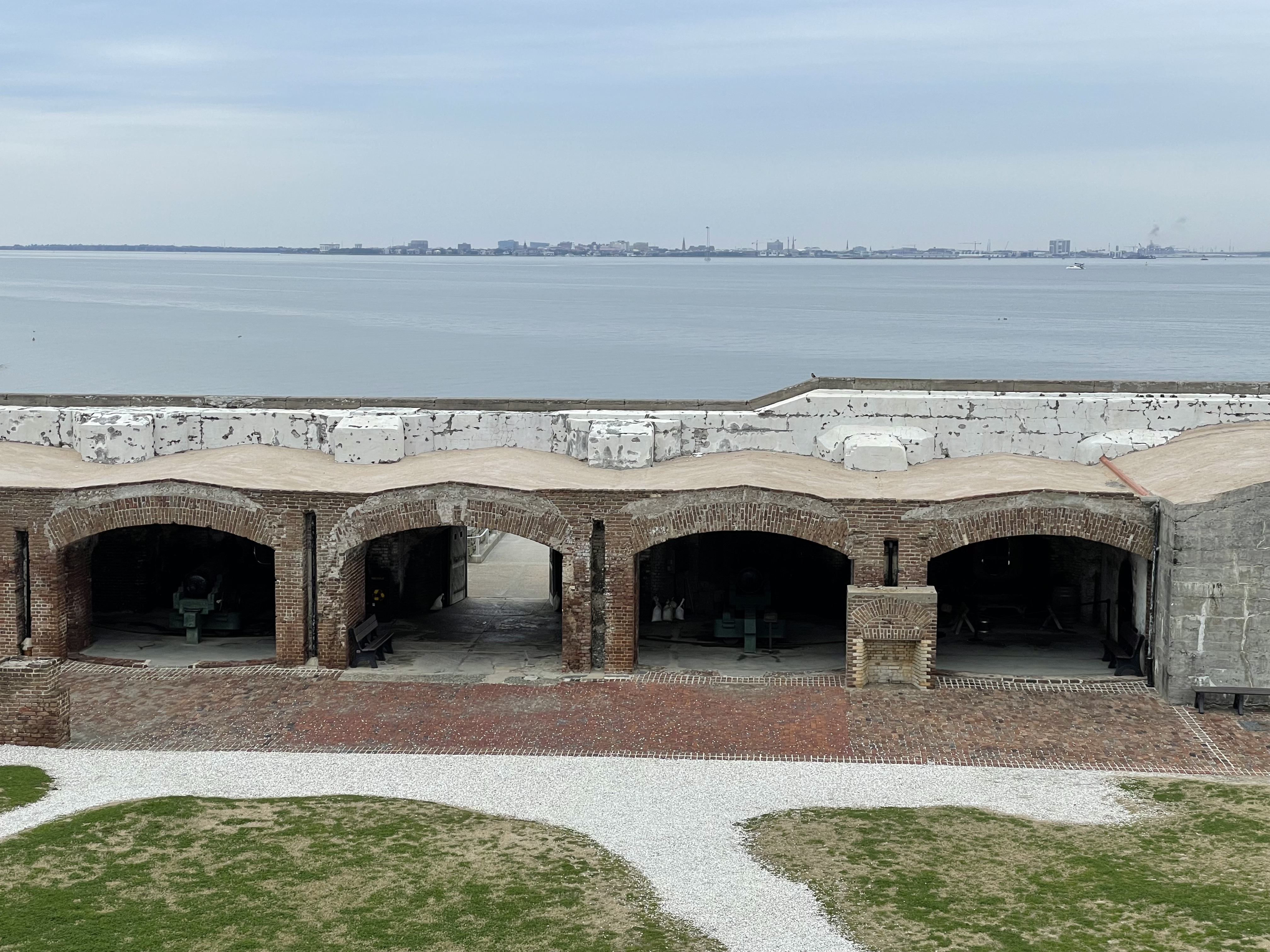
But perhaps the most interesting story about Fort Sumter comes at the end of the Civil War. It turns out that after the War, Lincoln was supposed to head down here to Charleston, to raise the American flag at Fort Sumter as a true, symbolic ending to the Civil War. It was where the War started, and it would be where the War ended. But, the day before he was to go down to Fort Sumter he canceled his plans because his wife was fearful that something bad would happen to him there, like maybe he would get shot. If Lincoln had not listened to his wife’s fears and just opted to come down here to Fort Sumter, he very well may have lived through his second term. The couple instead opted to stay in and see a play in Washington, DC, and…well, the rest is history.
Okay, that’s enough blogging for one day. My time in Charleston has been my favorite so far on this trip, and yeah, I could totally live in Charleston. What a city! Tomorrow I believe that we will be spending the morning and early-afternoon at Sullivan’s Island, and then I am heading onwards, down to Savannah, Georgia. Once again, thank you so much Curcio family for this wonderful experience. I definitely appreciate it and owe you guys.
Cheers,
-Rob
 robtaylortravels
Dr. Curcio with a pig in the house! It just shows, you can take the boy out of Wyoming but you can’t take the Wyoming out of the boy! Great blogs Rob!
LikeLiked by 1 person
[…] I arrived – from northern Michigan to southern Texas, from Portsmouth, New Hampshire to Charleston, South Carolina, and who can forget Tennessee? The journey also got me back in touch with old friends, family […]
LikeLike